Best Pots for Indoor Plants: Materials, Features & Top Picks for Indian Homes
Choosing the right pot for indoor plants matters as much as choosing the plant itself. Learn which pot materials are best—terracotta, plastic, ceramic, self-watering—and pick pots that help your plant thrive in Indian homes.
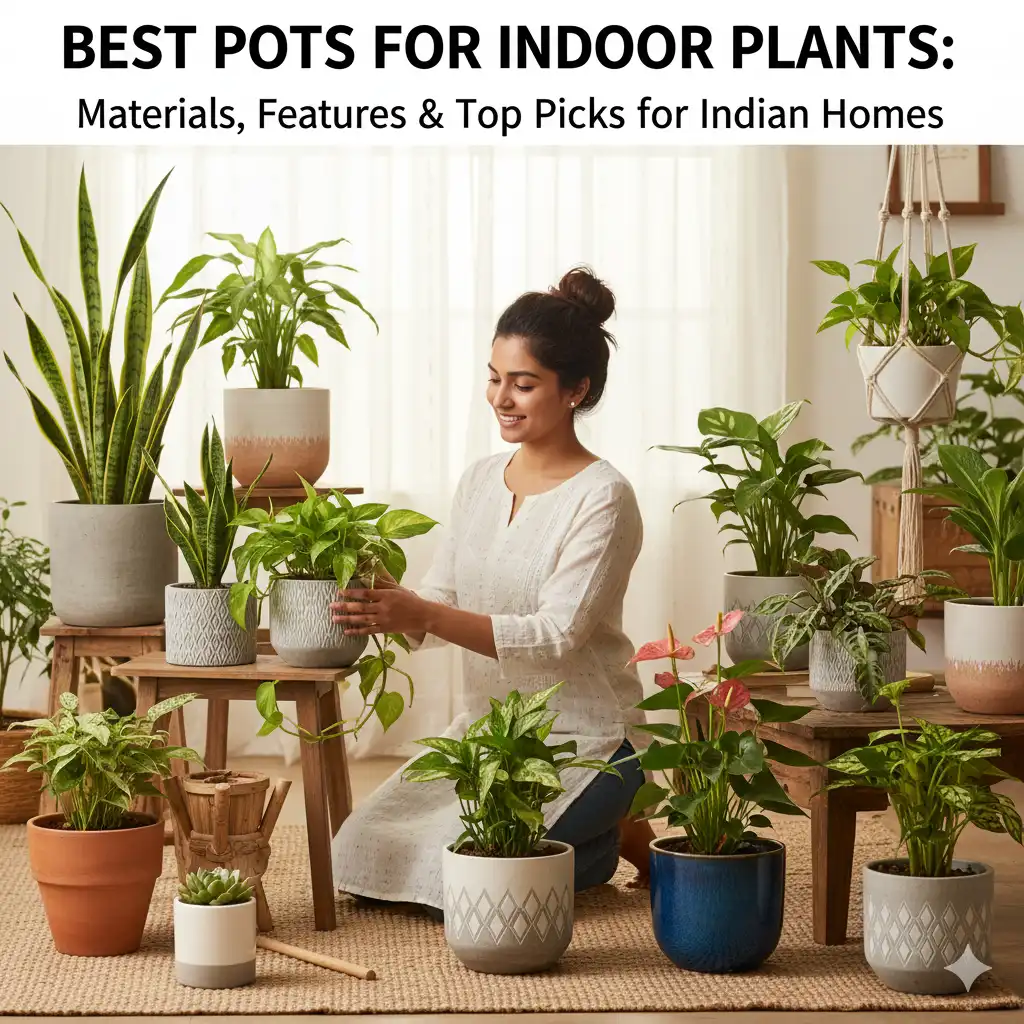
Best Pots for Indoor Plants: How to Choose Wisely for a Healthy Garden
Potted indoor plants can instantly bring life to your living room, balcony, or home office. But a plant’s health greatly depends on the pot it’s in. Choosing the best pots for indoor plants isn’t just about looks — the material, drainage, and design all play a role in how well your plant grows.
In this guide, we’ll break down different types of pots, what works best in Indian homes, and how to pick a pot that supports your plant’s needs.
Why Pot Material Matters
The material of a pot affects how much water it retains, how much air it lets into the soil, how heavy it is, and even how often you need to water. For example, clay or terracotta pots are porous and help air move through the sides, reducing the risk of root rot. :contentReference[oaicite:0]{index=0}
On the other hand, plastic pots are non-porous, which helps retain moisture for longer — great for plants that dislike drying out quickly. :contentReference[oaicite:1]{index=1}
Here's a breakdown of common pot materials and what makes each one suitable (or not) for indoor plants:
Types of Pots & Their Pros / Cons
1. Terracotta (Unglazed Clay) Pots
Why choose it: Terracotta is breathable. Its porous clay walls allow air circulation to roots and wick away excess moisture, helping avoid waterlogging. :contentReference[oaicite:2]{index=2}
- Great for succulents, cacti, and plants that like dryer soil. :contentReference[oaicite:3]{index=3}
- Natural, rustic look — fits very well with earthy or bohemian decor.
- Eco-friendly and biodegradable. :contentReference[oaicite:4]{index=4}
Things to watch out for: They dry out quickly, so you’ll need to water more often. :contentReference[oaicite:5]{index=5} And being clay, they can crack or break more easily.
2. Glazed Ceramic Pots
Why choose it: These are the decorative champions. Glazed ceramic pots look beautiful, come in many colours and styles, and retain water better than unglazed clay. :contentReference[oaicite:6]{index=6}
- Very good for moisture-loving indoor plants.
- Heavy and stable, ideal for top-heavy plants.
Things to watch out for: Because they’re often glazed, they restrict air flow. Many ceramic pots lack drainage holes — which can risk overwatering. :contentReference[oaicite:7]{index=7}
3. Plastic Pots
Why choose it: Plastic is lightweight, inexpensive, and very practical. It doesn’t breathe like clay, so it retains moisture, which is great for plants that hate drying out quickly. :contentReference[oaicite:8]{index=8}
- Easy to move around — perfect for indoor gardening.
- Durable and less likely to break compared to ceramic or clay.
- Often available in self-watering designs (see next section).
Things to watch out for: Less air flow, which means more risk of overwatering. According to horticulture guidelines, plastic pots must have good drainage to avoid waterlogging. :contentReference[oaicite:9]{index=9}
4. Self-Watering Pots
These are super useful for beginners or busy plant owners. Self-watering pots have a reservoir that holds water, which the plant draws in as needed.
Benefits:
- Reduces the frequency of watering.
- Helps maintain consistent moisture — very useful in hot or dry rooms.
Indian brands like Atlantis Planters offer good self-watering plastic pots designed for indoor use. :contentReference[oaicite:10]{index=10}
5. Fabric Grow Bags
These are made of breathable fabric material (like felt). They allow air pruning of roots (which prevents root circling) and drain very well. :contentReference[oaicite:11]{index=11}
- Excellent soil aeration.
- Portable and flexible — folds when not in use.
Things to watch out for: They dry out faster than plastic, so you’ll need to water more often.
6. Hypertufa Pots
Hypertufa is a lightweight, porous material made from cement, sand, and peat or perlite. :contentReference[oaicite:12]{index=12}
- Natural stone-like appearance.
- Good insulation for roots.
Things to watch out for: Slightly heavier than plastic; porousness means you may need more frequent watering.
Key Features to Look for When Buying Indoor Pots
- Drainage Holes: Always ensure your pot has a drainage hole. Without it, water can accumulate at the bottom and cause root rot. :contentReference[oaicite:13]{index=13}
- Size Matters: Match pot size to plant size. Too big can lead to soggy soil; too small can restrict root growth. :contentReference[oaicite:14]{index=14}
- Double Potting: If you love decorative pots without holes, use a nursery pot (with hole) inside it. :contentReference[oaicite:15]{index=15}
- Weight and Portability: Terracotta and ceramic are heavier. If you move plants often, plastic or fabric pots are more convenient. :contentReference[oaicite:16]{index=16}
- Aeration vs Moisture: Porous materials (like clay and fabric) allow more airflow but evaporate faster; non-porous (plastic, glazed ceramic) retain moisture better. :contentReference[oaicite:17]{index=17}
Top Recommendations: Best Indoor Plant Pots for Indian Homes
Depending on your plants and your lifestyle, here are some of the best pot choices:
- For Succulents & Cacti: Unglazed Terracotta Pot — promotes drying out, prevents overwatering.
- For Moisture-Loving Plants (e.g. Peace Lily): Glazed Ceramic Pot — retains water.
- For Busy or Travel-Loving Gardeners: Self-Watering Plastic Planter — reduces water stress.
- For Root-Healthy Plants (Like Tomatoes, Herbs): Fabric Grow Bag — allows root pruning and good drainage.
- Aesthetic & Heavy Plants (Like Fiddle Leaf Fig): Ceramic or Terracotta — stable and stylish.
Common Mistakes When Choosing Indoor Pots
Here are some mistakes new plant owners often make — and how to avoid them:
- No Drainage: Using pots without holes can quickly lead to root rot. Always double-pot or ensure proper drainage. :contentReference[oaicite:18]{index=18}
- Wrong Size: Buying a pot that’s too big surprises many — waterlogged soil becomes a problem.
- Ignoring Material: Choosing only on looks can backfire — material directly affects watering needs.
- Heavy Pots, Low Support: Very heavy ceramic pots on flimsy furniture can fall or break.
Conclusion
Choosing the best pots for indoor plants is a balance of aesthetics, plant health, and your daily routine. There’s no one-size-fits-all — the right pot depends on your plant type, your watering habits, and how often you tend to your green corner.
Here’s a quick checklist to help you pick wisely:
- Decide on the material (clay, ceramic, plastic, fabric).
- Ensure there is proper drainage.
- Choose the right size for your plant.
- Balance style and practicality.
With the right pot, your indoor plants will thrive — stay healthy, and look stunning in your home.