How to Fix Yellow Leaves on Indoor Plants Naturally (Complete Step-by-Step Guide)
Learn why indoor plant leaves turn yellow and discover natural, practical, and long-lasting solutions to fix yellow leaves at home.
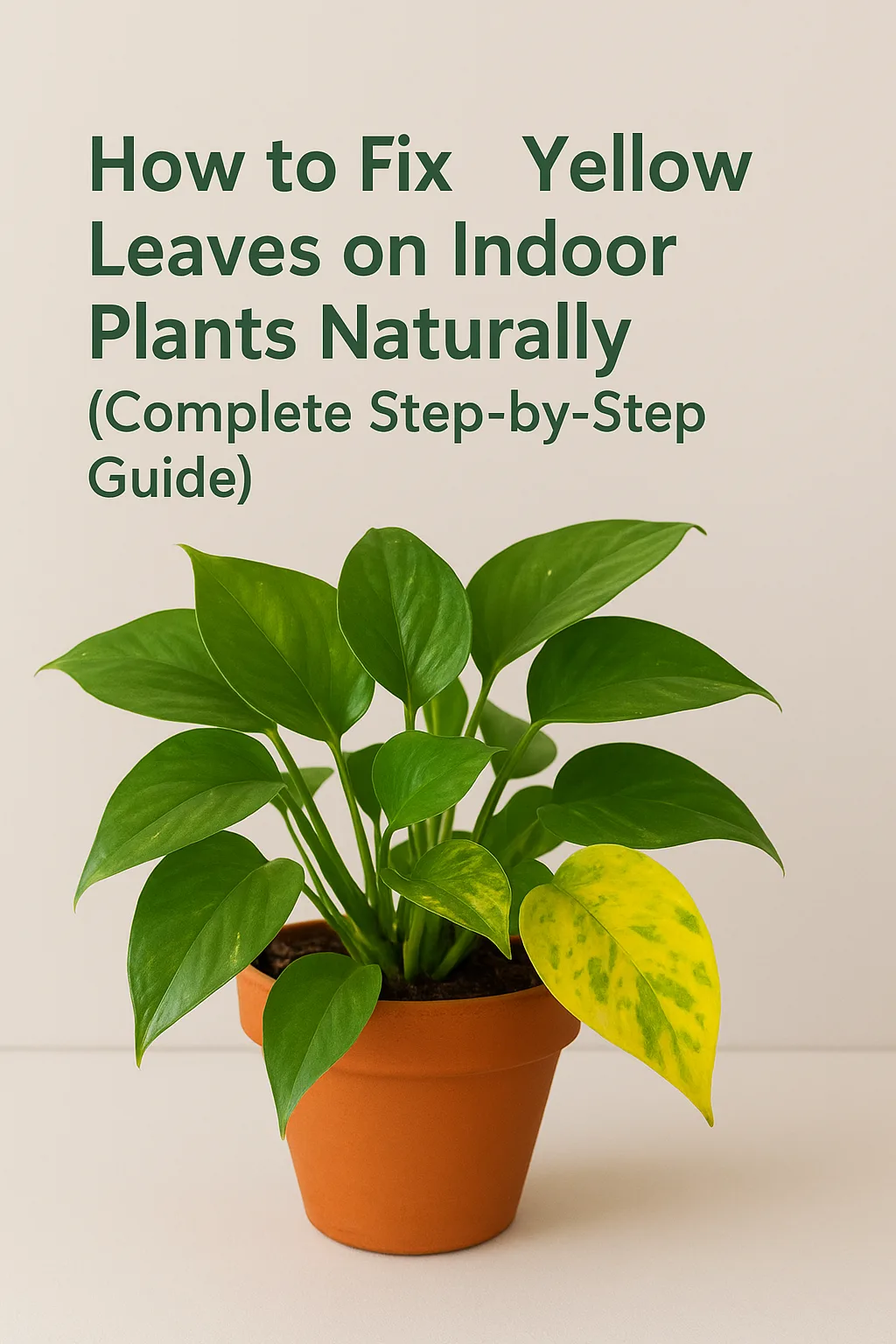
Why Are Your Indoor Plant Leaves Turning Yellow?
Yellow leaves are one of the most common plant problems that indoor gardeners face. Whether you grow money plant, snake plant, pothos, monstera, spider plant, or any other houseplant, yellowing leaves usually indicate stress. To fix it correctly, you first need to understand what is causing the discoloration.
1. Overwatering: The #1 Reason for Yellow Leaves
Most indoor plants prefer moist but well-draining soil. When you overwater, roots get suffocated due to lack of oxygen. This leads to root rot and the leaves begin to turn soft, yellow, or mushy.
How to Fix It:
- Check the top 2 inches of soil. Water only when it feels completely dry.
- Ensure your pot has proper drainage holes.
- Use a well-draining mix with cocopeat, perlite, and compost.
- If the soil smells rotten, repot the plant with fresh soil.
2. Underwatering Can Also Cause Yellowing
Not giving enough water results in dehydrated leaves, which turn crispy yellow or brown from the edges.
How to Fix It:
- Follow a watering schedule: once every 5–7 days for most indoor plants.
- Use the bottom-watering method to ensure deep hydration.
- Mulch the top soil to retain moisture.
3. Lack of Sunlight or Excess Sunlight
Indoor plants need the right amount of indirect light. Low light slows photosynthesis causing pale or yellow leaves. Too much sunlight burns the foliage.
Fix for Low Light:
- Place plants near an east-facing window.
- Use grow lights for at least 6 hours daily.
Fix for Excess Sunlight:
- Shift the plant to bright but indirect light.
- Use sheer curtains to filter harsh rays.
4. Nutrient Deficiency Turns Leaves Pale or Yellow
Plants need nitrogen, magnesium, and iron to stay green. If these nutrients are missing from the soil, the leaves lose color and start yellowing.
Natural Fix:
- Add homemade compost or vermicompost every 30–45 days.
- Use Epsom salt (1 teaspoon in 1 liter of water) once a month.
- Feed liquid seaweed fertilizer for overall growth.
5. Pest Attacks Like Mealybugs, Spider Mites & Aphids
Pests suck sap from leaves, making them weak, yellow, and spotted. You may also see sticky residue on the leaf surface.
Natural Fix:
- Spray neem oil + soap solution once a week.
- Wipe leaves with cotton soaked in diluted alcohol.
- Keep the plant isolated until pests are fully removed.
6. Wrong Pot Size
If the pot is too small, roots become tightly packed and fail to absorb nutrients. This results in yellow leaves.
Fix:
- Repot your plant to a pot 2 inches bigger than the current one.
- Loosen the root ball gently before placing it in new soil.
7. Natural Home Remedies to Fix Yellow Leaves Quickly
- Banana peel water: Provides potassium for healthy green leaves.
- Rice water (unsalted): Strengthens root growth.
- Neem cake powder: Works as fertilizer + pest control.
- Aloe vera solution: Boosts chlorophyll and leaf shine.
Conclusion
Yellow leaves are a sign that your plant needs help, but the good news is that most causes are easily fixable. By improving watering habits, providing proper light, adding nutrients, and keeping pests away, your indoor plants will bounce back and grow healthy again.
With the right care, even severely yellowing plants can be revived. Keep observing your plant’s leaves—they always tell you what they need.