Money Plant Leaves Turning Yellow? Causes and Easy Fixes
Why money plant (pothos) leaves turn yellow — overwatering, low light, old soil, root-bound pots, pests — and simple steps to make it green and bushy again.
Short answer: money plant (pothos) leaves usually turn yellow because of overwatering — the pot stays wet and the roots start to rot. Too little light, old exhausted soil, a root-bound pot and pests are the next most common causes. Let the soil dry between waterings, give it bright indirect light, and cut off the yellow leaves. To check from a photo, try our free plant diagnosis tool.
This guide covers the money plant most Indian homes grow — the golden pothos (Epipremnum aureum), in soil or in water. (It is different from the Chinese money plant, Pilea.) Not sure which one you have? Use our plant identifier.
Quick symptom guide
What you see
Likely cause
Lower leaves yellow, soft stems, soil wet
Overwatering / root rot
Yellow leaves with dry brown edges, soil dry
Underwatering or heat
Long bare vines, small pale leaves, lost variegation
Low light
Yellow-white bleached patches
Direct afternoon sun
Older leaves evenly pale, slow growth
Nutrient shortage
Roots circling or coming out of the bottom
Root-bound pot
Yellow speckles, sticky leaves, white fluff
Pests
Yellow leaves in a water-grown plant, slimy roots
Stale water, low oxygen
1. Overwatering — the number one cause
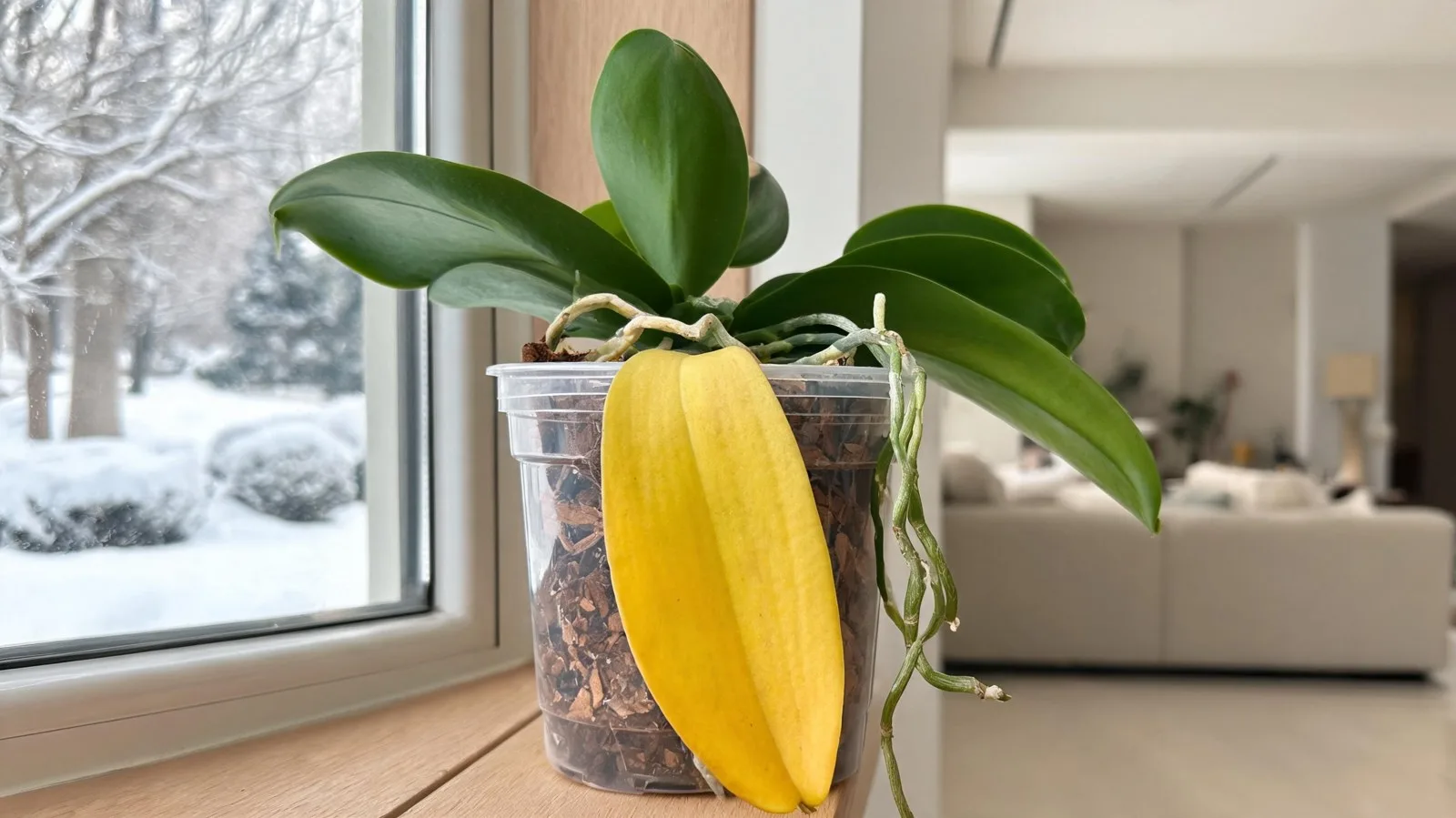
Money plants like moist soil, not wet soil. If water sits in the pot, roots turn brown and mushy, and the plant drops its older leaves first.
How to fix it:
Water only when the top 2–3 cm of soil is dry. In most Indian homes this is every 4–7 days in summer and every 10–15 days in winter, but always check the soil first.
Empty the saucer after watering.
If stems are soft at the base, take the plant out, trim rotten roots, and repot in fresh, airy mix (garden soil + cocopeat + compost).
2. Not enough light
Money plants survive in low light, but they do not thrive. In a dark corner, they grow long bare vines with small leaves and drop older leaves.
How to fix it: place it near a bright window with indirect light, or where it gets gentle morning sun. Variegated (golden or marble) types need more light than plain green ones. Keep it out of harsh afternoon sun on a west-facing balcony, which bleaches leaves.
3. Old soil and no feeding
A money plant in the same soil for a year or more slowly runs out of nutrients. Older leaves turn evenly pale yellow and new leaves come out smaller.
How to fix it: mix a handful of vermicompost into the topsoil every 1–2 months from March to October. Skip feeding in winter. Do not feed a plant that has root rot — fix the roots first. See our guide to organic fertilisers.
4. Root-bound pot
When roots fill the pot, water runs straight through and the plant cannot get enough moisture or food.
How to fix it: repot into a pot just one size bigger, in spring or early monsoon. Our step-by-step money plant repotting guide shows exactly how.
5. Pests
Mealybugs (white cotton-like clusters in leaf joints) and spider mites (tiny dots and fine webbing under leaves) suck sap and cause yellow speckling.
How to fix it: wash the leaves, wipe mealybugs off with cotton dipped in rubbing alcohol, and spray neem oil (about 5 ml per litre of water with a few drops of liquid soap) in the evening once a week until clear.
6. Money plant in water turning yellow
In bottles and jars, yellow leaves usually mean the water is old and low in oxygen, or roots are rotting.
How to fix it: change the water every 7–10 days, rinse the bottle, and cut off any slimy brown roots. Keep at least one node under water and no leaves submerged. Water-grown plants also need nutrients — a very weak liquid fertiliser once a month helps.
7. Cold and AC drafts
Money plants are tropical and dislike cold. In north Indian winters, plants near cold windows or AC vents drop yellow leaves. Move them to a warmer, bright spot. More tips in our winter indoor plant care guide.
How to make your money plant green and bushy again
Cut off fully yellow leaves at the base with clean scissors.
Fix the watering and light first.
Trim long bare vines just above a node — the plant will branch out from there.
Root the cut pieces in water and plant them back into the same pot to make it fuller.