Short answer: the easiest indoor plants for rooms with little light are snake plant, ZZ plant, money plant (pothos), peace lily, aglaonema, heartleaf philodendron, cast iron plant, spider plant, lucky bamboo and Boston fern. "Low light" still means some daylight — a room where you can read comfortably during the day without switching on a light. No plant grows in a windowless room without a grow light. Not sure which plant you already have? Check with our free plant identifier.
Quick comparison
| Plant | Light it tolerates | Watering | Pet safe? |
|---|---|---|---|
| Snake plant | Low to bright | When soil is fully dry | No |
| ZZ plant | Low to bright indirect | When soil is fully dry | No |
| Money plant (pothos) | Low to bright indirect | When top 2–3 cm is dry | No |
| Peace lily | Low to medium | Keep lightly moist | No |
| Aglaonema | Low to medium | When top layer is dry | No |
| Heartleaf philodendron | Low to medium | When top layer is dry | No |
| Cast iron plant | Very low to medium | When top half is dry | Yes |
| Spider plant | Medium (tolerates some low) | When top layer is dry | Yes |
| Lucky bamboo | Low to medium | Keep roots in water | No |
| Boston fern | Medium indirect | Keep evenly moist | Yes |
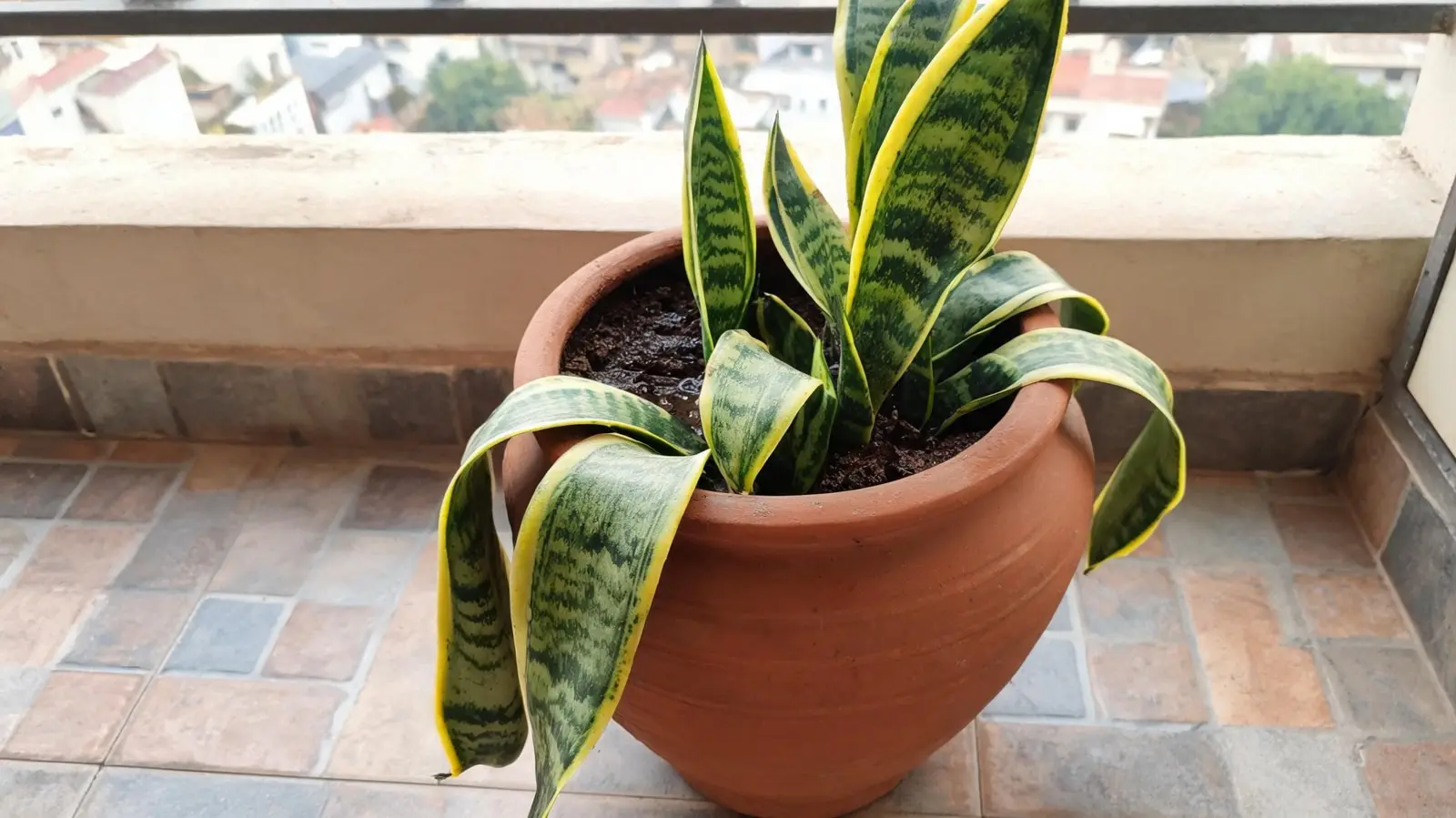
1. Snake plant (Sansevieria)
The toughest beginner plant. Its stiff, upright leaves store water, so it handles dim corners and missed waterings. Low light only slows its growth.
Care: water only when the soil is completely dry — every 2–3 weeks in summer, once a month or less in winter. Overwatering is the only common way to kill it.
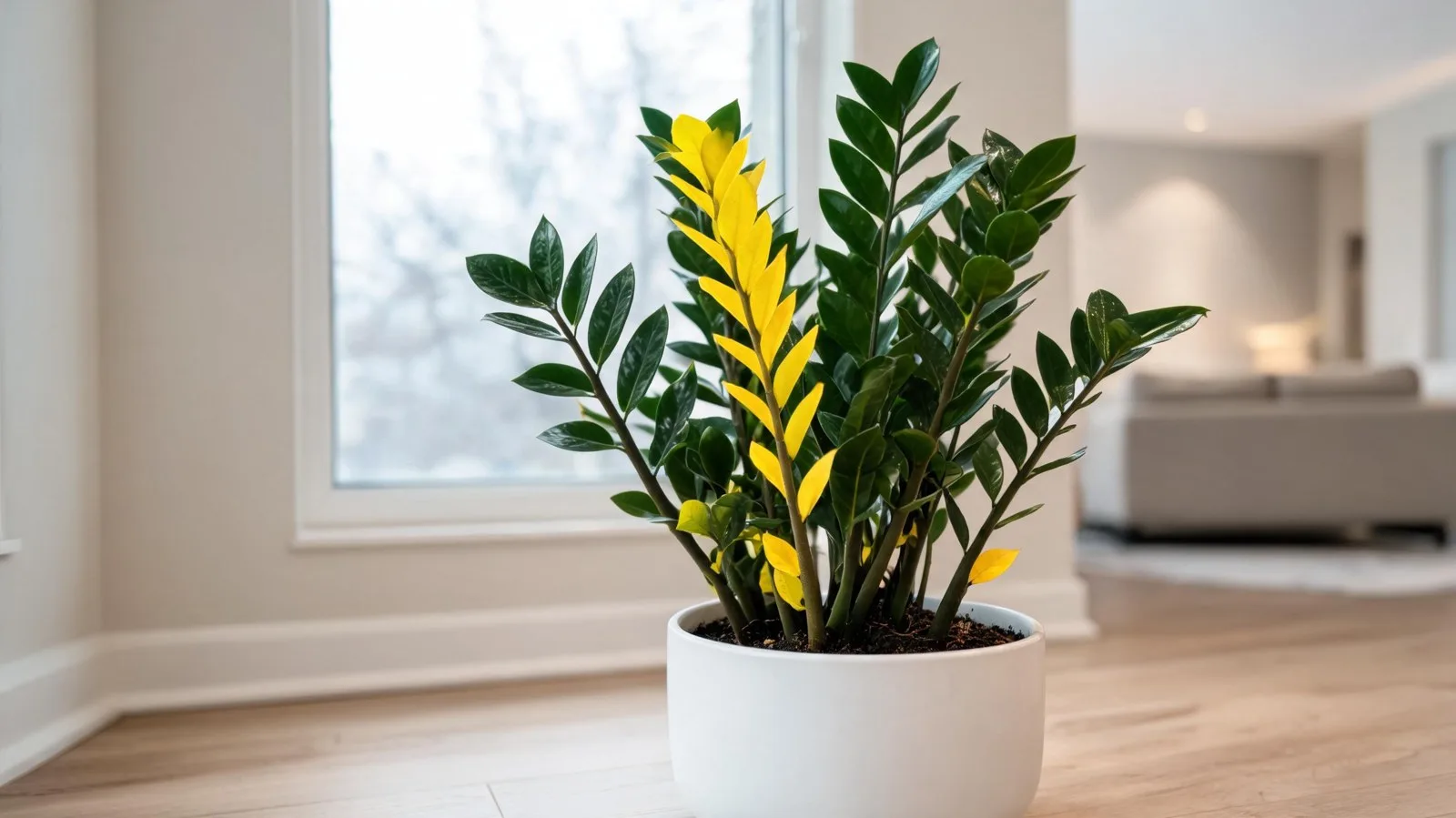
2. ZZ plant
Glossy dark leaves and thick underground rhizomes that store water. Very forgiving and happy in offices and bedrooms.
Care: let the soil dry fully between waterings. Yellowing stems almost always mean too much water.
3. Money plant (pothos)
India's favourite indoor vine. Grows in soil or water, trails from shelves, and adapts to most rooms.
Care: water when the top 2–3 cm is dry. In very low light, vines get long and leaves small, and golden or marble patterns fade. If leaves turn yellow, see why money plant leaves turn yellow.
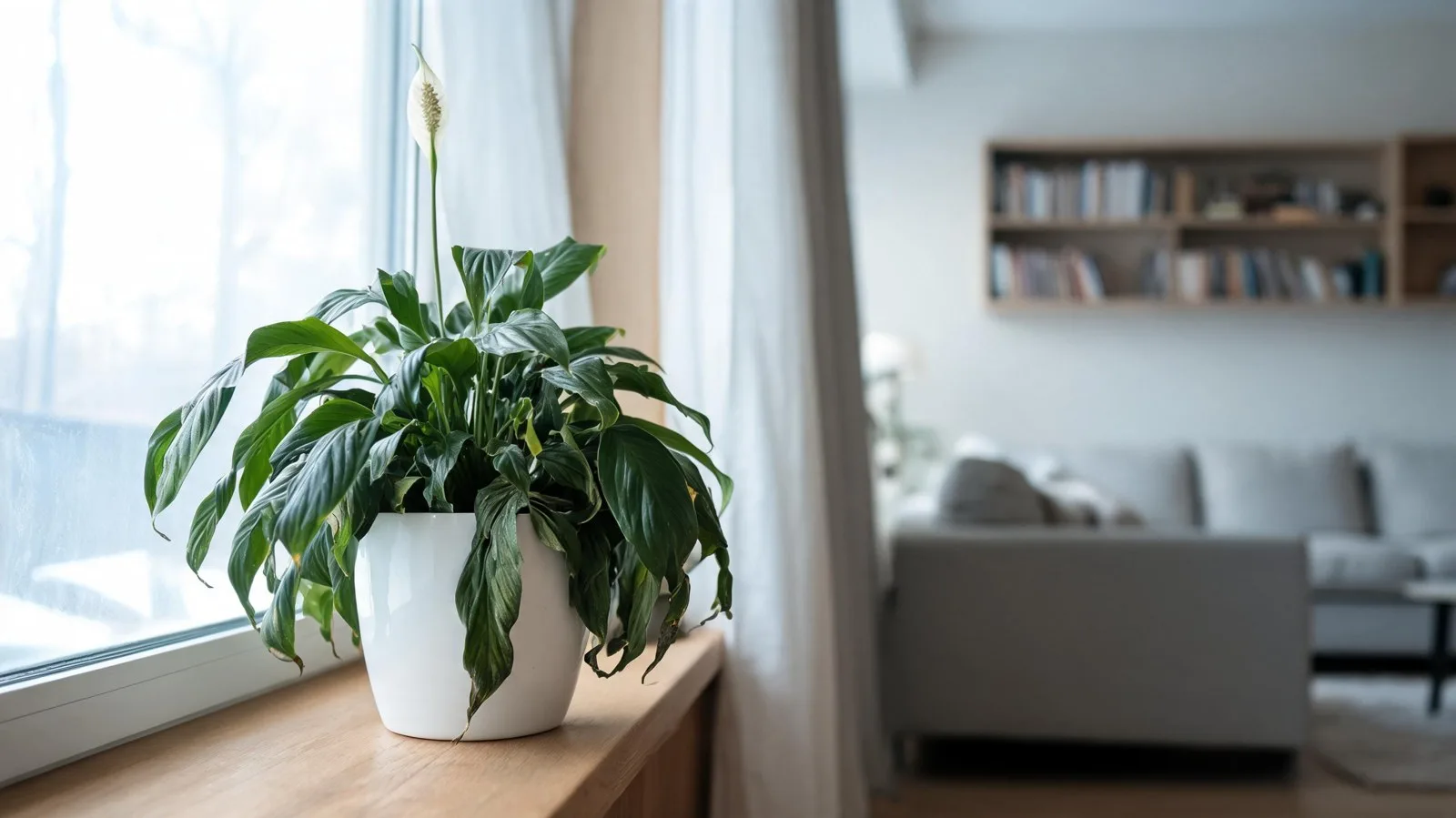
4. Peace lily
Dark green leaves and white flowers. It tells you when it is thirsty by drooping and perks up within hours of watering.
Care: keep the soil lightly moist, never soggy. It flowers better with medium light. Brown tips usually mean dry air or salt build-up from hard water.
5. Aglaonema (Chinese evergreen)
Comes in green, silver, pink and red patterns. Plain green types handle low light best; brightly coloured ones need more light to keep their colour.
Care: water when the top layer dries, keep away from cold drafts and AC vents.
6. Heartleaf philodendron
Soft, heart-shaped leaves on trailing stems. Looks similar to money plant and is just as easy.
Care: water when the top layer is dry; trim long stems to make it bushier.
7. Cast iron plant (Aspidistra)
Named for being nearly impossible to kill. It grows slowly in very low light and tolerates neglect.
Care: water when the top half of the soil is dry. It dislikes direct sun.
8. Spider plant
Arching striped leaves and baby plantlets that you can root easily. It prefers medium light but survives lower light with slower growth.
Care: water when the top layer dries. Brown tips are common with hard water — flush the soil occasionally.
9. Lucky bamboo
Not a true bamboo (it is a Dracaena). Grows in water or soil in low to medium indirect light.
Care: if in water, keep roots covered and change the water every 7–10 days. Yellow stems mean the water is stale or the light is too strong.
10. Boston fern
Feathery fronds for bathrooms and shaded balconies. It needs more humidity and a bit more light than the others on this list.
Care: keep the soil evenly moist and the air humid. Dry air causes brown, crispy fronds.
How to keep low-light plants healthy
- Water less. Plants in low light use water slowly. Most deaths in dark rooms come from overwatering — always check the soil first.
- Clean the leaves. Dust blocks light. Wipe big leaves with a damp cloth every few weeks.
- Rotate pots a quarter turn every week so they do not lean.
- Feed lightly — every 6–8 weeks in the growing season is plenty. See our guide to organic fertilisers.
- Use pots with drainage holes. Our guide to the best pots for indoor plants helps you choose.
- Give a "light holiday". Placing plants near a brighter window for a week now and then helps them build strength.
Check your plant's problem from a photo
If your low-light plant is getting yellow or brown leaves, upload a clear photo to our AI plant diagnosis tool to find the cause. Our guide to common indoor plant problems also covers the usual fixes.
Frequently asked questions
Which indoor plant needs the least sunlight?
Snake plant, ZZ plant and cast iron plant handle the lowest light. They still need some daylight from a window.
Can indoor plants grow without any sunlight?
Not for long. In a room with no windows you need an LED grow light for the plant to survive.
Do low-light plants clean the air?
Houseplants do absorb small amounts of indoor pollutants, but you would need a very large number of plants to noticeably clean a room's air. Ventilation does far more. Grow them for their beauty and calm.
Which low-light plants are safe for cats and dogs?
Spider plant, cast iron plant and Boston fern are considered non-toxic. Snake plant, ZZ, money plant, peace lily, aglaonema, philodendron and lucky bamboo are toxic if chewed.
How often should I water plants in a dark room?
Less often than in a bright room. Check the soil every week and water only when the top layer is dry.