Free Plant Disease Diagnosis: Find Out What's Wrong With Your Plant
Yellow leaves, brown spots, white powder or drooping stems? Plant Solutions is a free AI plant doctor. Upload a photo of the affected part of your plant and get the most likely disease or problem, how serious it is, and a step-by-step treatment plan — using natural remedies wherever possible.
What the free plant diagnosis checks
The AI looks for the visual signs of common plant problems: fungal infections like powdery mildew, leaf spot and root rot; bacterial blight; pest damage from aphids, mealybugs, spider mites and whiteflies; and care issues such as overwatering, underwatering, sunburn and nutrient deficiency. You get the problem name, a severity level and clear next steps.
How to take a good photo for diagnosis
- Photograph the sick leaf or stem up close — the spots or damage should be clearly visible.
- Use natural daylight and avoid shadows falling across the leaf.
- Show both the top and the underside of the leaf if you can; many pests hide underneath.
- If the whole plant is wilting, add a second photo of the full plant and the soil surface.
Common signs and what they usually mean
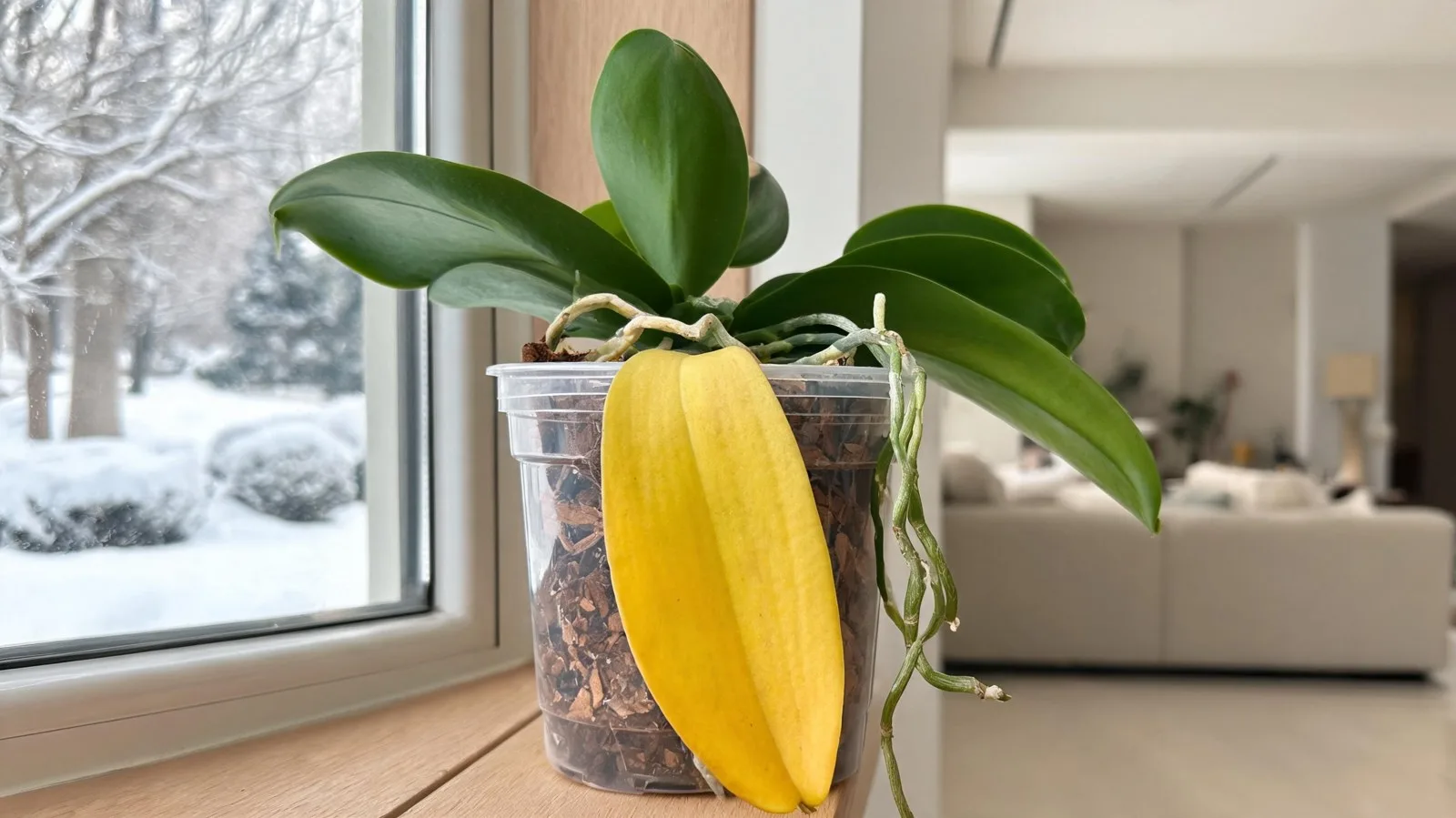
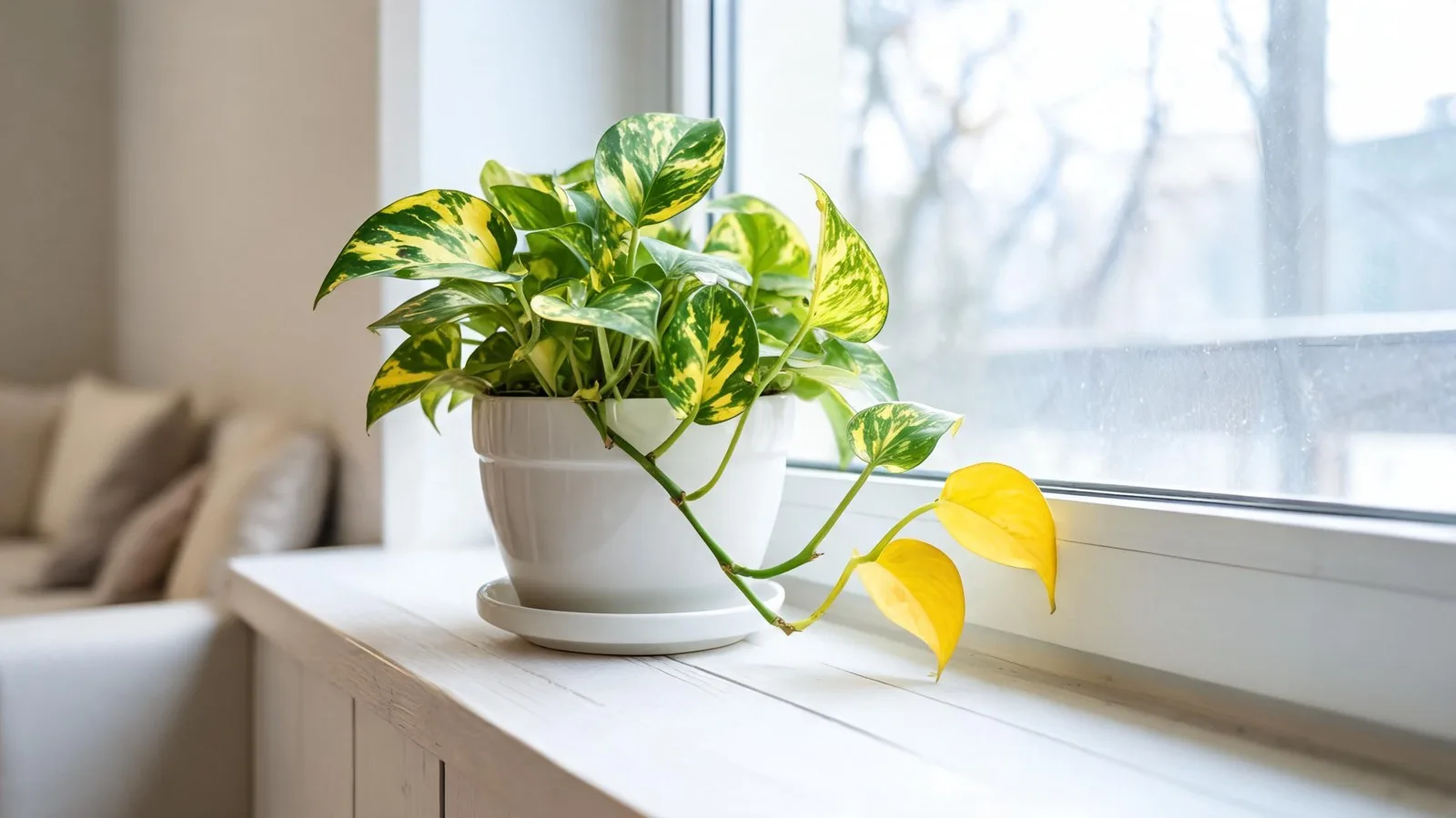
- Yellow lower leaves with wet soil — usually overwatering or poor drainage.
- Brown, crispy leaf edges — underwatering, low humidity or too much direct sun.
- White powdery coating — powdery mildew (a fungal infection).
- Sticky leaves, tiny insects or cotton-like spots — aphids or mealybugs.
- Black or mushy stem base — root or stem rot; act quickly.
Diagnose plant problems free, anytime
The diagnosis tool is completely free and works in your browser, with no sign-up. Use it as a quick first check; for valuable crops or a plant that keeps getting worse, also consult a local nursery or agriculture expert.
Frequently asked questions
Can I diagnose my plant's disease from a photo for free?
Yes. Upload a clear photo of the affected leaves on this page and you will get the likely disease, its severity and treatment steps for free.
Why are my plant's leaves turning yellow?
The most common causes are overwatering, poor drainage, lack of light and nutrient deficiency. Upload a photo to the diagnosis tool to narrow down the exact cause for your plant.
Are the suggested treatments safe for indoor plants?
The tool prefers natural treatments such as neem oil, pruning infected parts and fixing watering habits. Always follow the label of any product you use and keep treated plants away from pets and children.
What if I don't know the name of my plant?
Use our free plant identifier first to find the plant's name, then run the diagnosis for more accurate care advice.