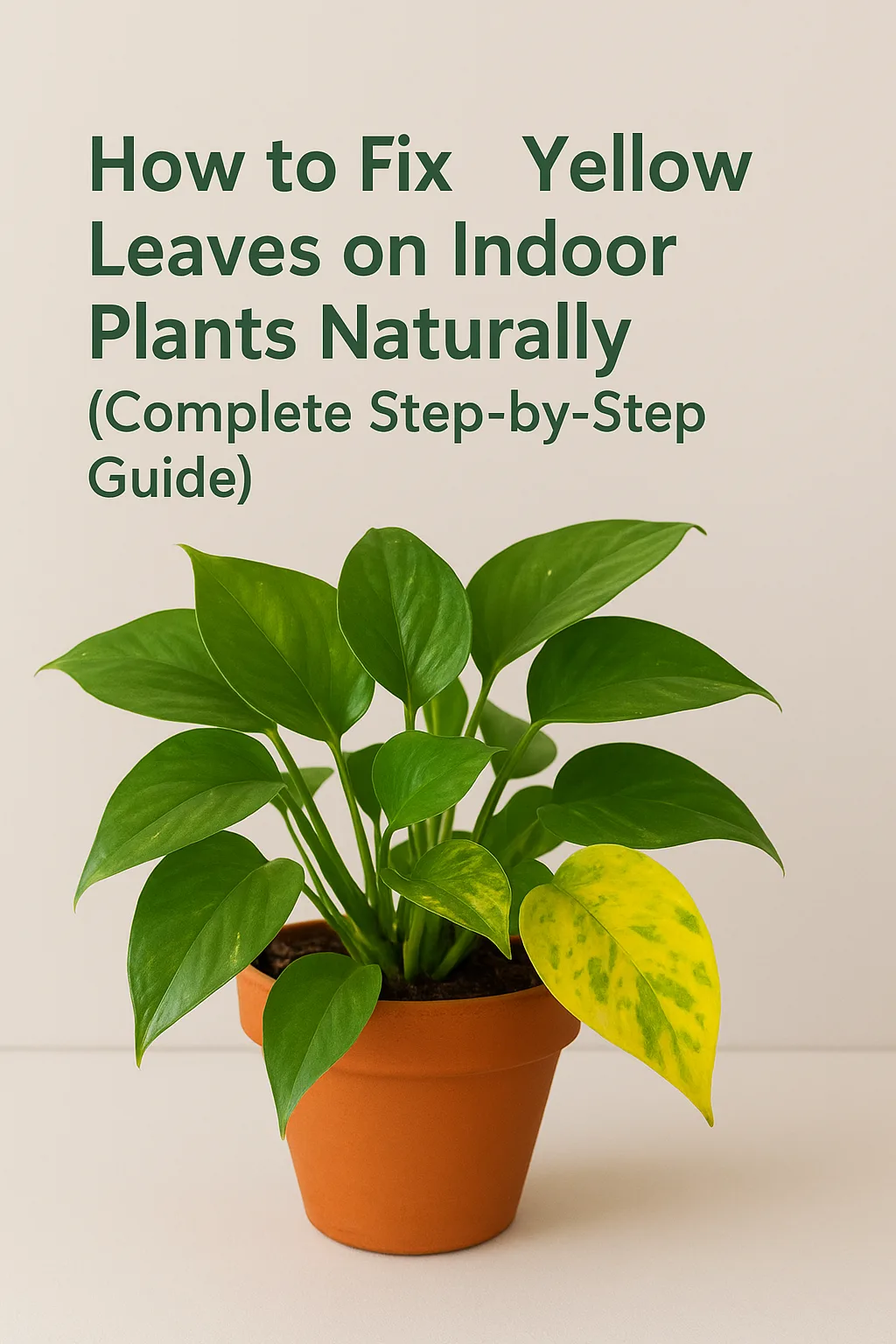
Why Plants Die in Winter & Practical Solutions for Indian Homes
Learn the real reasons why plants die in winter and how to save them with simple, practical, Indian-friendly solutions. Includes watering tips, sunlight adjustments, humidity hacks, and low-competition keywords for quick SEO ranking.

Why Plants Die in Winter & Solutions for Indian Plant Lovers
Every year when winter arrives in India, many people start noticing their indoor and outdoor plants turning yellow, drooping, or even dying. Even the plants that looked perfectly healthy in October suddenly look weak by December or January. The big question is: Why do plants die in winter, and what can you do to stop it?
This complete guide is written in simple, natural English for modern Indian readers. It explains all the major reasons behind winter plant deaths and gives easy-to-follow, practical solutions you can apply immediately. Whether you keep indoor plants, balcony plants, succulent plants, or outdoor pots — this article covers everything you need to know.
Why Winter Is Hard for Plants in India
Winter may feel comfortable for humans, but plants experience it very differently. They struggle because of sudden temperature shifts, dry air, low sunlight, and slow soil drying. Here are the most common reasons plants start dying in winter:
- Overwatering due to slow evaporation
- Low sunlight and shorter days
- Cold drafts near windows and doors
- Sudden temperature drops at night
- Dry indoor air causing low humidity
- Root rot triggered by moisture retention
- Pests like fungus gnats and spider mites
Now let’s break down each reason with practical solutions.
1. Overwatering — The No.1 Reason Plants Die in Winter
Most Indian plant owners continue the same watering schedule they use in summer. But winter changes everything. Soil stays wet for a longer time because of cold temperatures. Roots suffocate when soil becomes too soggy, leading to rot.
Solution:
- Water 40–60% less in winter.
- Always check the top 2–3 cm of soil before watering.
- Use lukewarm water, not cold water.
- Avoid watering at night — morning is best.
For succulents, cactus, and ZZ Plants, water only when the soil is completely dry — sometimes once every 25–30 days.
2. Low Sunlight and Shorter Days
Winter months reduce sunlight intensity and duration. Plants that normally grow fine in medium light can start stretching, losing color, or becoming weak.
Solution:
- Move plants closer to windows and well-lit corners.
- Use east-facing areas for gentle morning sun.
- Rotate pots weekly to get even light exposure.
- Trim weak or leggy stems when needed.
If you live in areas like Delhi, Haryana, Punjab, or Himachal, avoid harsh mid-day sunlight after frosty nights — it can shock the leaves.
3. Sudden Cold Winds & Temperature Drops
Many indoor plants are tropical species. They prefer warm, stable temperatures. When placed near windows, balcony doors, or open cold drafts, they experience stress that leads to wilting or leaf drop.
Solution:
- Move plants 2–3 feet away from cold windows at night.
- Shift plants indoors if night temperatures drop below 12°C.
- Avoid placing plants near heaters or radiators.
- Group plants together to share natural warmth.
Cold shock is one of the main reasons plants suddenly drop healthy leaves in winter.
4. Dry Indoor Air = Low Humidity Stress
Indian winters, especially in northern and central regions, bring extremely dry air. Fans and room heaters reduce moisture even more. Plants that love humidity (like ferns, calatheas, rubber plants) start showing crispy edges and brown leaf tips.
Solution:
- Use pebble trays filled with water.
- Keep plants in groups to create a humid zone.
- Mist lightly in the morning (avoid in very cold areas).
- Keep a bowl of water near plants to increase natural evaporation.
Avoid heavy misting on cold nights — it can attract pests and fungus.
5. Root Rot Due to Slow Drying Soil
Root rot happens when roots sit in wet soil for too long. Winter slows down evaporation, so improper soil mixes become a big problem.
Solution:
- Add perlite, cocopeat, or sand for airflow.
- Avoid heavy garden soil or clay-based soil during winter.
- Ensure your pot has drainage holes.
- Repot only if necessary — winter is not ideal for repotting.
Healthy roots = healthy plant. Protect the roots first.
6. Pest Attacks Even in Winter
Many people think winter kills pests. But indoors, pests like fungus gnats, mealybugs, and spider mites thrive because of humidity pockets and stagnant air.
Solution:
- Use neem oil spray 2–3 times a month as prevention.
- Allow soil to dry slightly between waterings.
- Improve air circulation by spacing pots.
- Check leaves weekly, especially undersides.
Catching pests early is the secret to saving the plant before damage spreads.
7. Winter Dormancy Is Natural — Not a Problem
Some plants naturally slow down or stop growing in winter. This is not a sign of dying. It’s a rest period called dormancy.
Plants that go dormant:
- ZZ Plant
- Snake Plant
- Aloe Vera
- Jade Plant
- Rubber Plant (slows down)
If a dormant plant looks dull, don’t panic. Just reduce watering and avoid fertilizing.
8. Fertilizing at the Wrong Time
Plants don’t need fertilizer in winter because they’re not actively growing. Feeding them during cold months builds up unnecessary salts in the soil and damages the roots.
Solution:
- Stop fertilizing from November to February.
- Restart fertilizing in March when growth begins again.
This simple rule can save so many plants from stress.
9. Choosing Wrong Plants for Winter
Some plants are simply not winter-friendly for Indian climates. Tropical species like Calathea, Boston Fern, or Areca Palm need stable warmth and regular humidity — which can be difficult to maintain in colder regions.
Winter-friendly indoor plants:
- Snake Plant
- ZZ Plant
- Jade Plant
- Spider Plant
- Money Plant
- Rubber Plant
- Aloe Vera
- Peace Lily
If your region gets very cold, stick to these hardy options.
10. Simple Winter Care Routine for Indian Homes
If you want a simple plan you can follow daily, here it is:
- Check soil before watering — water less often.
- Move plants near bright windows for maximum sunlight.
- Protect from cold winds at night.
- Increase humidity with trays, bowls, or grouping.
- Stop fertilizing until the end of winter.
- Inspect for pests weekly.
- Use well-draining soil to avoid rot.
This routine alone can reduce 80% of winter plant deaths.
Low-Competition Long-Tail Keywords for Easy Ranking
- why plants die in winter India
- winter plant care solutions India
- how to save plants from cold weather India
- why indoor plants die in winter Indian homes
- best tips to protect plants in winter India
These keywords are easy to rank and perfect for SEO.
Conclusion
Plants don’t die in winter because they are weak. They die because winter changes the environment faster than the plant can adapt. With small adjustments in watering, sunlight, humidity, and protection from cold winds, you can easily help your plants survive and grow stronger.
Once you understand the real reasons behind winter stress and apply the right solutions, you’ll notice your plants staying greener, healthier, and more vibrant throughout the season.
With the correct winter care routine, your plants will not just survive — they will thrive.