Why Your Indoor Plants Are Dying (And How to Fix It Fast with Smart Care Tips)
Yellow leaves? Droopy stems? Discover the real reasons your indoor plants are struggling — and learn smart, science-backed ways to revive them fast.
If your indoor plants look sad — yellow leaves, droopy stems, or dry soil — you’re not alone. More than 70% of plant owners lose their first few plants because they don’t understand the root cause. In this guide, we’ll help you diagnose plant problems and fix them using smart, science-backed care tips anyone can follow.
🌱 1. Understand Your Plant’s Natural Needs
Each plant has its own comfort zone. Sunlight, humidity, and watering frequency differ for every species. For example:
- Succulents love bright light and minimal water.
- Ferns prefer humidity and indirect light.
- Peace lilies thrive in shade but need consistently moist soil.
Use AI-based tools like Plant Solutions to identify your plant and get personalized care advice instantly.
💧 2. The Truth About Watering Plants
Overwatering is the #1 cause of houseplant death. Always check if the top inch of soil is dry before adding water. Use pots with drainage holes to prevent root rot. For tech lovers, smart moisture sensors or AI apps can send alerts when your plant actually needs water.
☀️ 3. Light — The Invisible Lifeline
Many plants die slowly from insufficient sunlight. Place light-loving plants like jade plants, cacti, or palms near bright windows. On the other hand, low-light species (like pothos or snake plants) do well even in shaded corners. You can also install LED grow lights to mimic daylight indoors.
🌿 4. Spot Early Disease Signs Using AI Tools
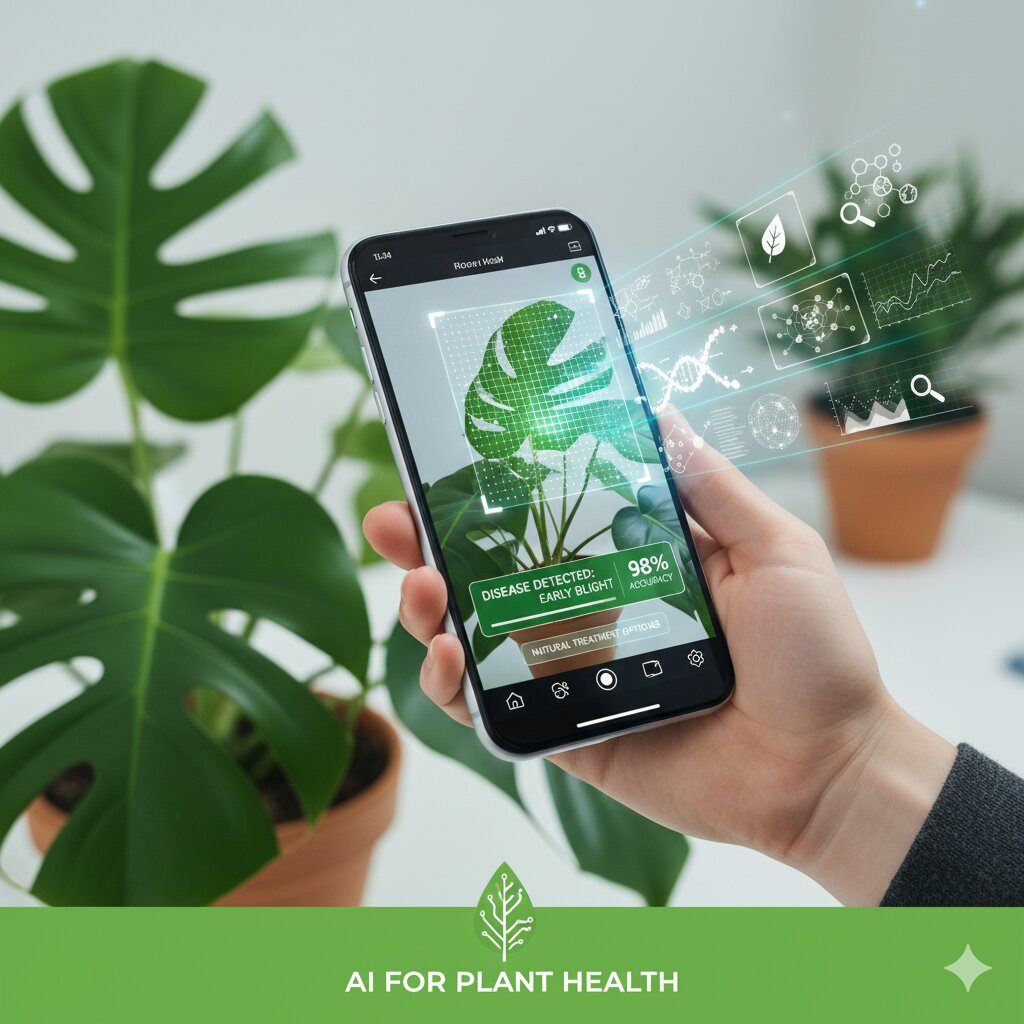
Noticing spots, discoloration, or fuzzy patches? Don’t guess — diagnose! Use free AI-powered plant disease detection tools like the one at Plant Solutions. Simply upload a photo of the affected leaf, and the tool instantly tells you if it’s fungus, pest, or nutrient deficiency.
Once diagnosed:
- Isolate the sick plant to prevent spreading.
- Remove infected leaves gently.
- Use organic fungicides or neem oil sprays.
- Adjust watering and ventilation.
🌸 5. Feed Your Plant Right
Fertilizer mistakes are common. Too much can burn roots; too little leads to slow growth. Use a balanced NPK fertilizer once a month during growth season (spring-summer). Avoid fertilizing dormant plants in winter.
🤖 6. Use Smart AI Plant Care Apps
Today, AI plant care tools can do everything from identifying plant species to tracking water schedules, sunlight exposure, and even predicting potential diseases. Tools like Plant Solutions use advanced machine learning to help you monitor and care for your plants with precision — no guesswork.
🪴 7. Bonus: Quick Fixes for Common Problems
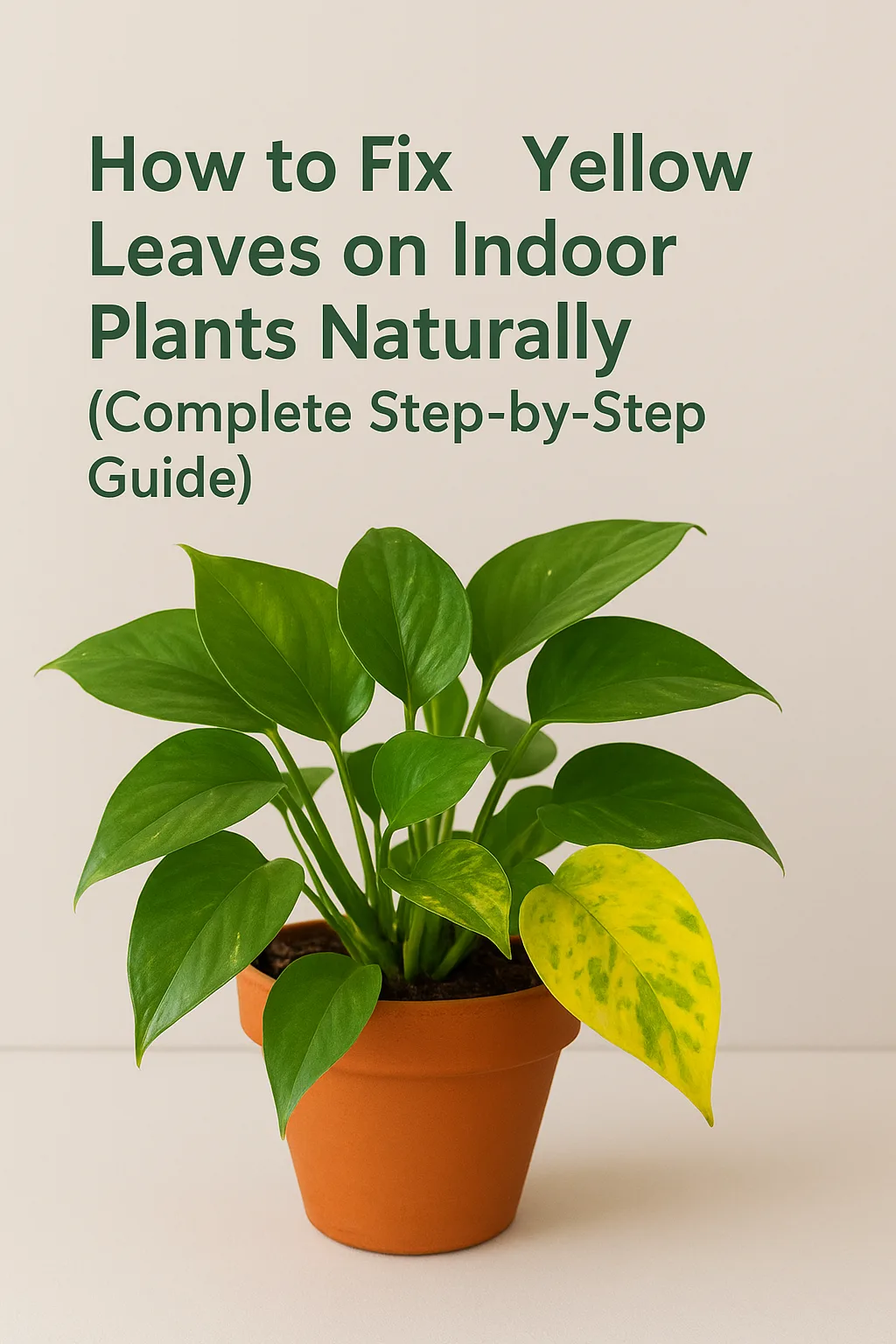
- Yellow Leaves: Too much water or poor drainage — fix by drying soil and improving airflow.
- Brown Edges: Low humidity or over-fertilizing — mist leaves and reduce fertilizer.
- Droopy Stems: Underwatering — water deeply and check root health.
- White Powder: Fungal infection — wipe leaves and use mild fungicide.
🌻 Final Thoughts
Healthy plants aren’t luck — they’re the result of consistent care and early attention. Whether you’re a beginner or a plant pro, combining AI-powered plant diagnosis with simple daily care habits will make your home garden thrive.
Grow smarter, greener, and happier — with Plant Solutions 🌿