Short answer: An amaryllis that grows leaves but no flowers almost always lacks stored energy or a proper rest. The flower bud for next winter forms inside the bulb during the previous spring and summer, so a bulb that had too little light, no fertilizer or its leaves cut early has nothing to bloom with. A bulb that never got a cool, dry rest of 8–12 weeks, or one that is rotting, too small or planted too deep, will also stay green. Most of these bulbs can be brought back to bloom in one season.
If the leaves are yellowing, spotted or the bulb feels soft, upload a photo to our free plant diagnosis tool first. It checks the plant for rot, disease and watering stress in a few seconds.
Why your amaryllis is not blooming: quick symptom guide
Amaryllis (Hippeastrum) is the big holiday bulb sold in kits and gift boxes from November to January. A new bulb from the store usually flowers about 6–10 weeks after planting. Reblooming in later years is where most people get stuck. Match what you see to the table before you change anything.
What you see
Most likely cause
First thing to do
Bulb kept from last year, healthy leaves but no flower stalk
Not enough energy stored last season
Grow the leaves in bright light and feed them this spring and summer
Bulb has stayed green all year without a break
No rest period
Give it 8–12 weeks of cool, dry rest before the next bloom
Nothing growing 8+ weeks after planting, bulb firm
Too cold or still waking up
Move to a spot at 60–70°F (15–21°C) with bright light
Bulb soft, mushy or smells bad; leaves yellow and collapse
Bulb rot from too much water
Unpot and check the bulb and roots
Bulb is small, or has split into several small bulbs
Bulb below flowering size
Grow it on for one or two seasons
Red streaks or spots on the bulb, leaves or stalk
Red blotch (fungal disease)
Remove badly marked leaves, water at the soil, keep the bulb dry
Bulb came covered in wax and bloomed last year
Waxed bulbs are sold to flower once
Enjoy it once, then compost it or buy a regular bulb
1. The bulb did not store enough energy last season
This is the most common reason. After flowering, the leaves spend spring and summer making food for the bulb, and next year's flower bud forms inside it during that time. If the leaves were cut early, the pot sat in a dim corner or it was never fed, the bulb has too little energy for a stalk and sends up leaves instead.
How to fix it
Cut off only the spent flower stalk after blooming, about 1–2 inches (2–5 cm) above the bulb. Leave every leaf in place.
Give the plant the brightest window you have, ideally a south or west window. In summer it can go outside in a spot with morning sun once nights stay above 50°F (10°C).
Feed with a balanced liquid houseplant fertilizer at the strength on the label every 2–4 weeks while the leaves are actively growing.
Keep the soil evenly moist but let the top inch (2–3 cm) dry between waterings.
2. It never had a rest period
In the wild, amaryllis rests through a dry season. Indoors, a bulb kept watered and warm all year often just keeps making leaves. A cool, dry rest is the most reliable way to get it to bloom on schedule.
How to fix it
In late summer or early fall, stop watering and stop feeding. Let the leaves yellow and wither naturally.
Cut the dried leaves off a couple of inches above the bulb and move the pot (or the unpotted bulb) to a cool, dark, dry place at about 50–55°F (10–13°C), such as a basement, an unheated spare room or a garage that stays frost-free.
Leave it there for 8–12 weeks without water. Avoid storing bulbs next to apples or other ripening fruit.
When you see the tip of a new bud or leaf, or after the rest is over, bring it back into warmth and light and water once.
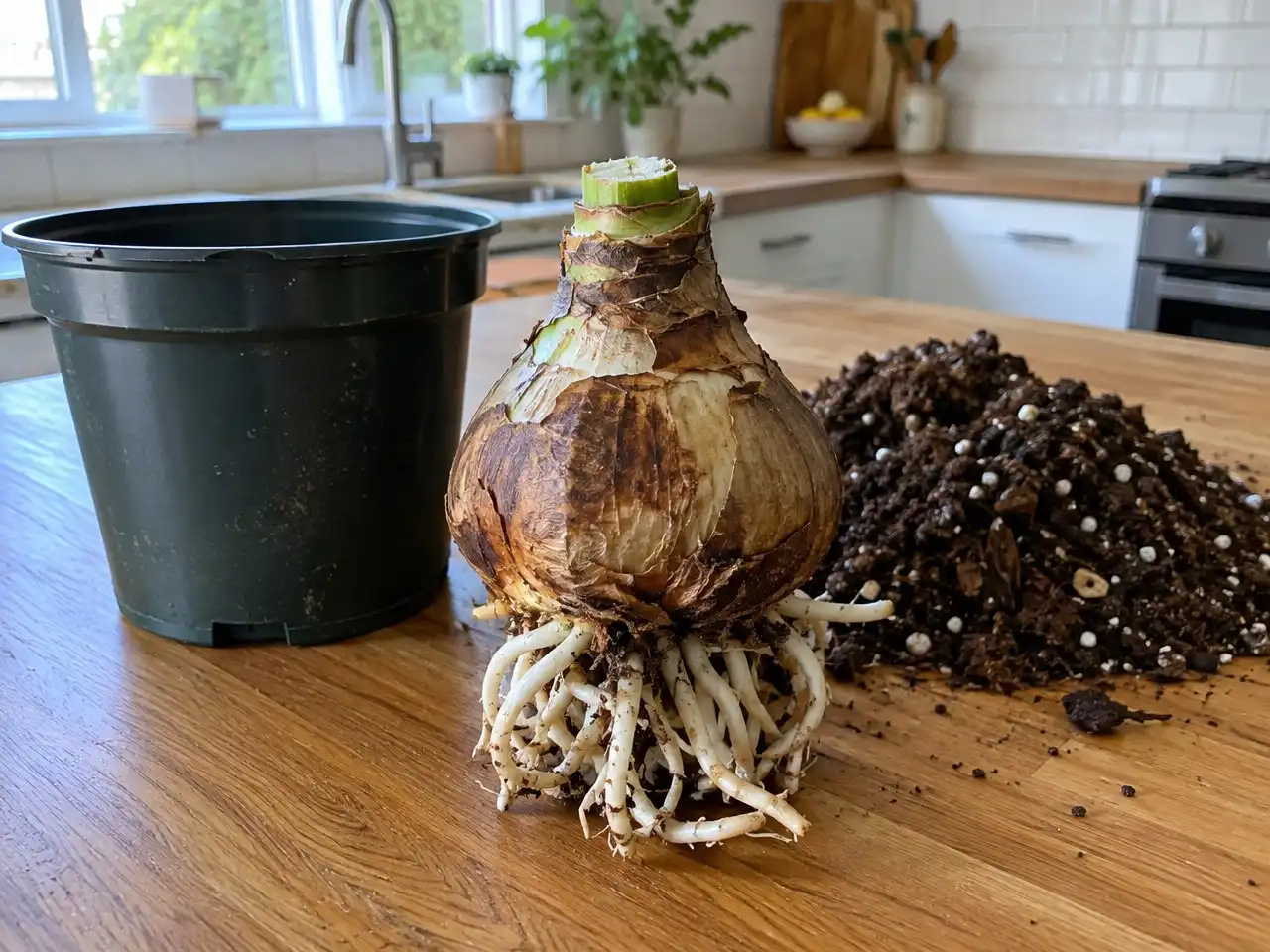
A firm, heavy bulb with plump pale roots is ready for its rest. A soft, light or dark bulb needs checking for rot.
3. It is too cold, too dark or still waking up
A new or freshly woken bulb can take several weeks to show growth, and in a cold room or against icy window glass it slows down even more. In a dark spot it may grow a weak stalk or just leaves.
How to fix it
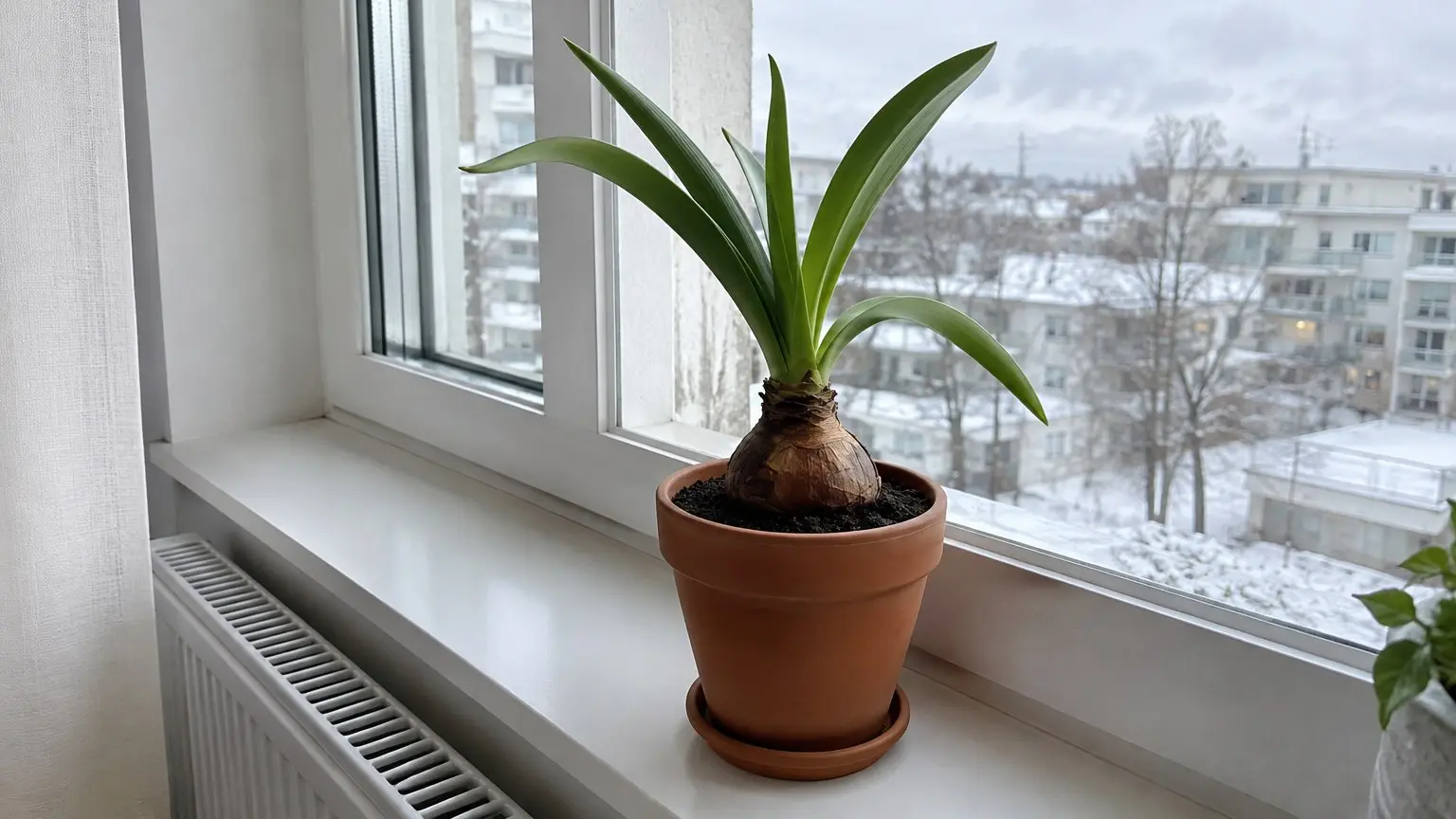
Keep the pot where it stays around 60–70°F (15–21°C). Warmer rooms speed growth up but tend to produce tall, floppy stalks.
Give it bright light, but pull it back from the glass on frosty nights and keep it away from heating vents and radiators that dry out the soil.
Water sparingly until you see active growth. Once the stalk or leaves are growing, water when the top inch (2–3 cm) of soil is dry.
Turn the pot a quarter turn every few days so the stalk grows straight.
4. Bulb rot from overwatering
A bulb sitting in wet soil, especially during its rest or before it has roots to drink, can rot. The leaves turn yellow and collapse, and the bulb feels soft or squishy, sometimes with a bad smell. Wet, rotting soil also attracts fungus gnats; if you see small black flies around the pot, see our guide to getting rid of fungus gnats in houseplants.
How to fix it
Unpot the bulb and brush off the soil. Healthy roots are firm and pale; rotten roots are brown, mushy and pull apart easily.
If only the outer papery layers or a few roots are affected, peel or cut off the damaged parts with clean scissors, let the bulb dry for a day or two and replant in fresh, fast-draining potting mix.
Always use a pot with drainage holes and empty the saucer after watering.
5. The bulb is too small or has split
Very small bulbs, or older bulbs that have split into several offsets (baby bulbs at the side), may grow only leaves until they bulk up again. A bulb that shrinks each year is not getting enough light or food in the growing season.
How to fix it
Separate large offsets when you repot and grow them in their own small pots; they usually need a few years to reach flowering size.
When buying, choose large, firm, heavy bulbs with no soft spots or mold.
6. Planted too deep or in a pot that is too big
A pot much wider than the bulb holds wet soil that stays soggy, and a fully buried bulb is more likely to rot at the neck.
How to fix it
Choose a pot with drainage holes that leaves about 1 inch (2.5 cm) of space between the bulb and the rim all around.
Plant so that the top third of the bulb sits above the soil line.
Use regular, well-draining potting mix; you can add a little perlite for extra drainage.
7. Disease or a waxed bulb
Red blotch is a common fungal disease of amaryllis that shows as red or reddish-brown streaks and spots on the bulb, leaves and flower stalk. Heavy infection weakens the bulb and can stop it flowering. Remove badly marked leaves, water at the soil rather than over the bulb, and keep the neck of the bulb dry.
Waxed amaryllis bulbs are sold to bloom once without soil or water. They usually have no roots and are not expected to rebloom, so a waxed bulb that only leafs out the next year is normal.
Step-by-step: how to get an amaryllis to bloom again
After flowering (winter): cut off the faded flower stalk 1–2 inches (2–5 cm) above the bulb. Keep all the leaves.
Late winter to summer: bright window, water when the top inch (2–3 cm) is dry, feed every 2–4 weeks.
Summer (optional): move it outdoors to morning sun once nights stay above 50°F (10°C); bring it in before frost.
Late summer or early fall: stop watering and feeding. Let the leaves die back naturally, then trim them.
Rest for 8–12 weeks: keep the bulb dry in a cool, dark place at about 50–55°F (10–13°C).
Wake it up: check the bulb is firm, refresh the top layer of soil, move it to bright light at 60–70°F (15–21°C) and water once.
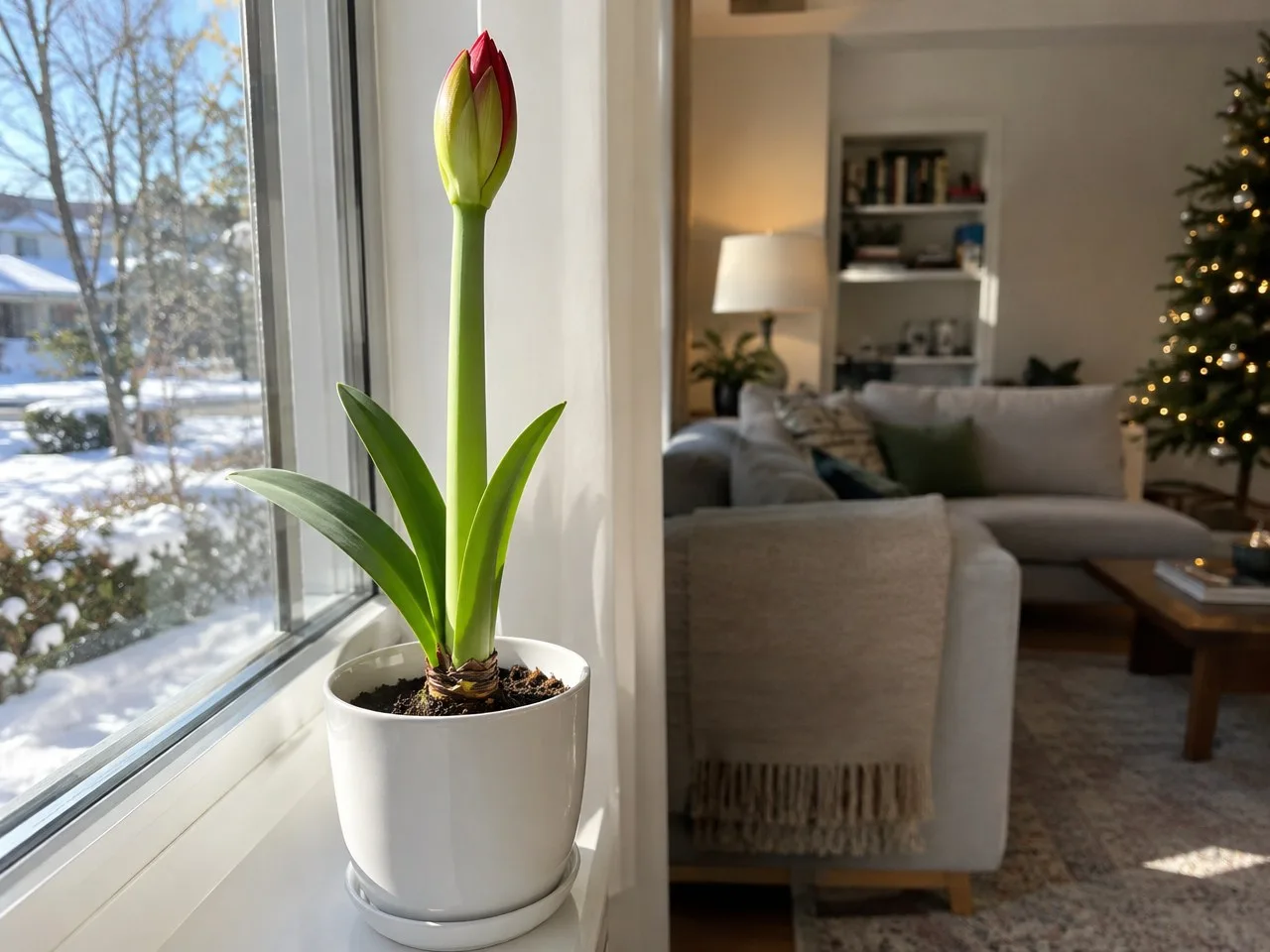
Wait: water sparingly until growth starts. A flower stalk usually appears within a few weeks and opens about 6–10 weeks after you wake the bulb.
After a good growing season and a proper rest, the flower stalk usually appears before or with the new leaves.
When to repot, and when the bulb cannot be saved
Amaryllis flowers best when slightly pot-bound, so repot only every 3–4 years or when the bulb has almost no room left. The best time is at the end of the rest period, just before you start watering again.
A bulb is usually not worth saving if it is soft and mushy all the way through, hollow, smells rotten, or has lost nearly all its roots and the base is black. Pot up any firm offsets and compost the rest. If you are not sure whether your plant is an amaryllis or another bulb such as a clivia, our free plant identifier can tell you from a photo, since care differs between them.
Pet safety: amaryllis is toxic to cats and dogs, and the bulb is the most toxic part. Keep pots and stored bulbs out of reach of pets and small children.
Check your plant's problem from a photo
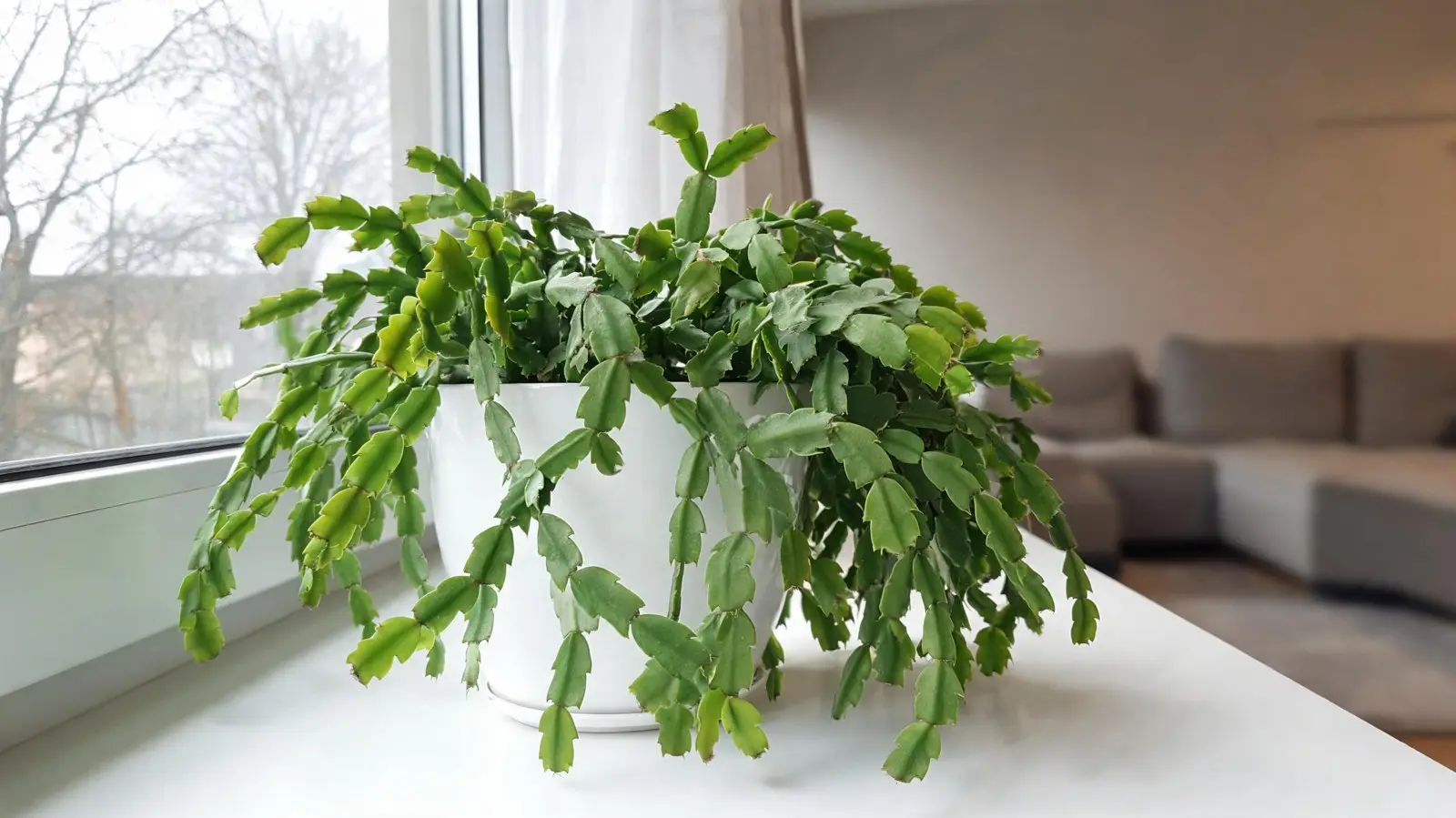
If your amaryllis has spots, yellow leaves or a bulb you are unsure about, take a clear photo of the leaves and the top of the bulb in daylight and upload it to the free Plant Solutions diagnosis tool. Other holiday plants have their own bloom triggers: a Christmas cactus needs long nights and cool temperatures, which we cover in why a Christmas cactus is not blooming, and poinsettias are sensitive to drafts, as explained in poinsettia dropping leaves.
Frequently asked questions
Why is my amaryllis only growing leaves?
Usually the bulb did not store enough energy the season before, or it never had a cool, dry rest. Grow the leaves in bright light with regular feeding, then rest it for 8–12 weeks in fall.
How long does it take an amaryllis to bloom?
A new bulb usually blooms about 6–10 weeks after planting. A rested bulb you are reblooming often takes a similar amount of time after you bring it back into warmth and start watering.
Should I cut the leaves off my amaryllis after it blooms?
No. Cut only the spent flower stalk. The leaves feed the bulb for next year's flowers, so leave them until they yellow and dry naturally at the end of summer.
Can I make a waxed amaryllis bloom again?
Usually not. You can peel off the wax and pot it, but most waxed bulbs have no roots and do not recover well enough to rebloom.
Is amaryllis poisonous to cats and dogs?
Yes. All parts are toxic to cats and dogs, and the bulb most of all. Keep the plant and any stored bulbs where pets cannot chew them.