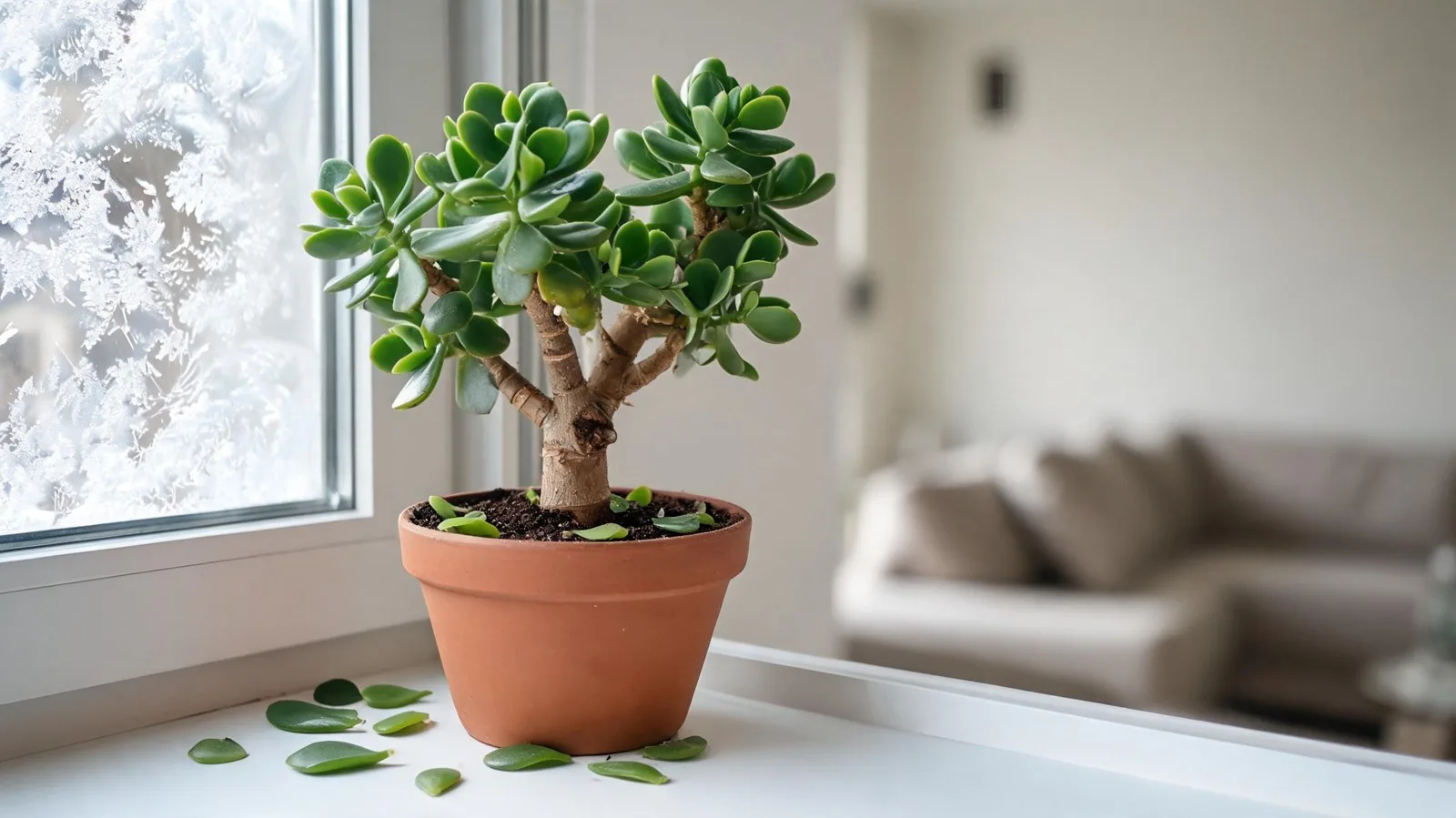
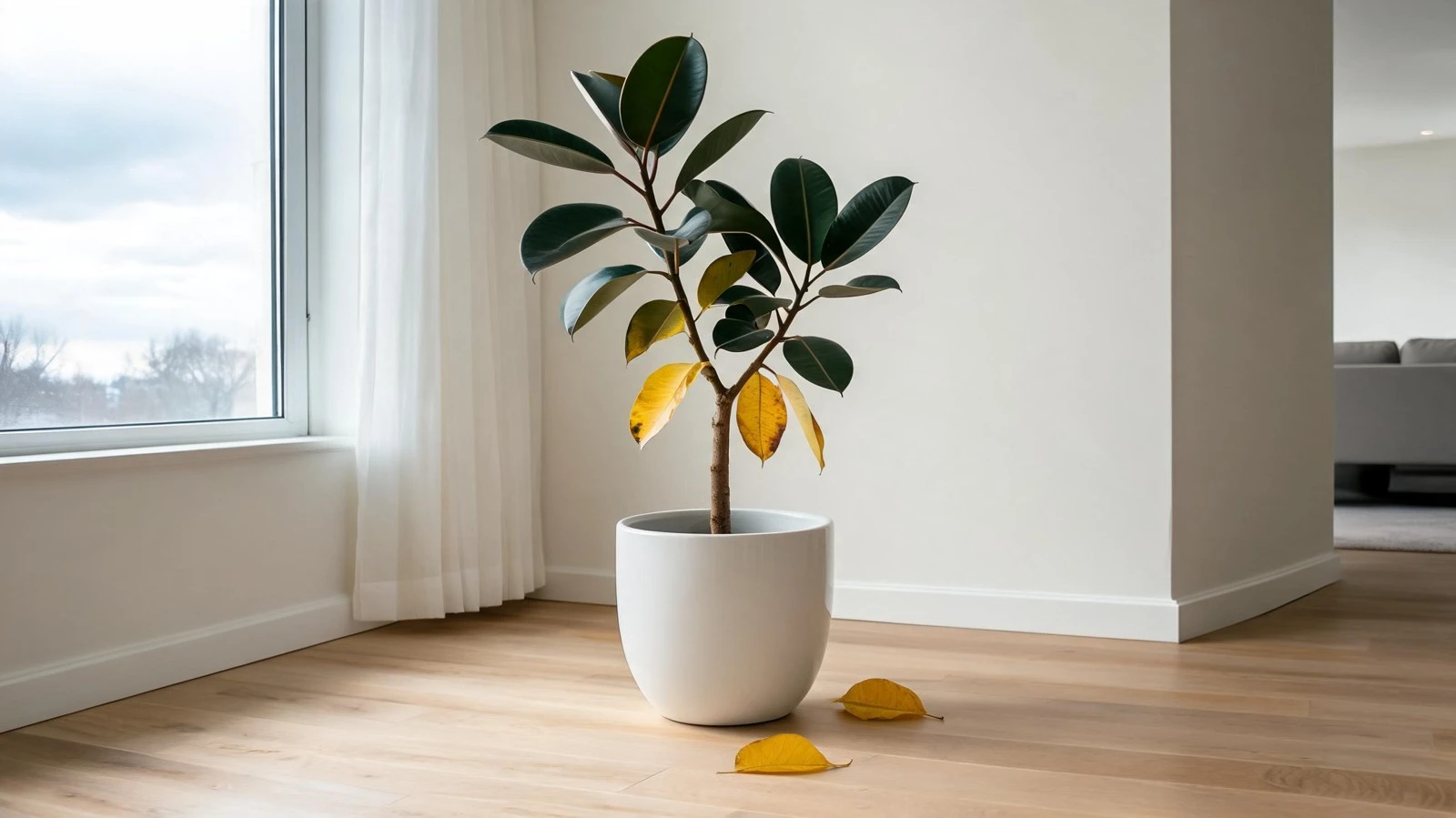
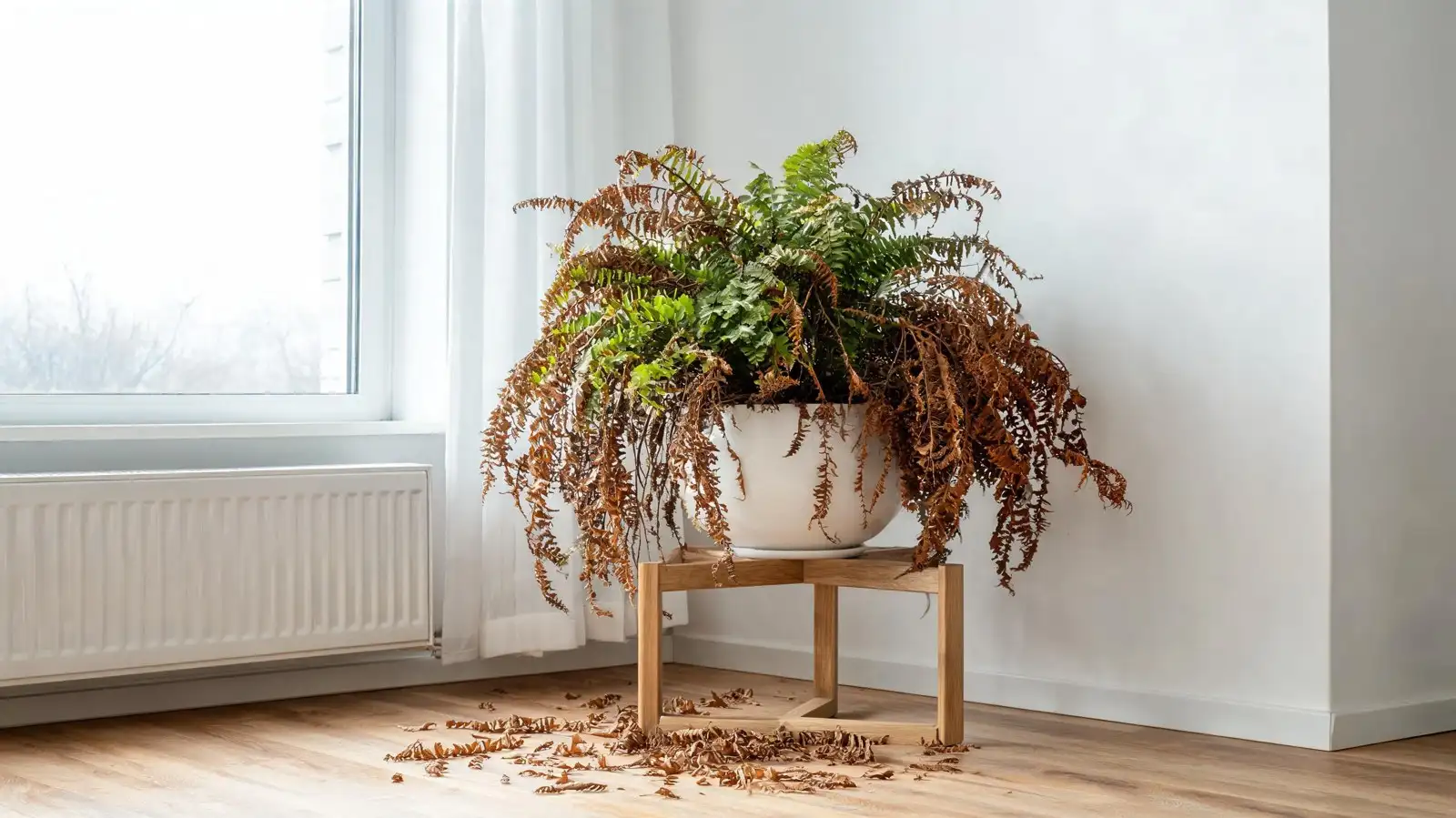
Short answer: A jade plant dropping leaves is most often reacting to water. Soft, yellowish or see-through leaves that fall at a light touch mean the soil has stayed wet too long (the most common winter problem). Wrinkled, flat, shriveled leaves that drop mean the plant is too dry. Sudden drop of healthy-looking green leaves usually follows a cold draft, a big change in light, or a move to a new spot.
Not sure which one you have? Upload a photo to our free plant diagnosis tool and get a likely cause in seconds.
Leaf drop on a jade plant is a stress signal. The texture of the fallen leaves tells you which stress it is.
Quick check: what the fallen leaves are telling you
What you see
Most likely cause
First thing to do
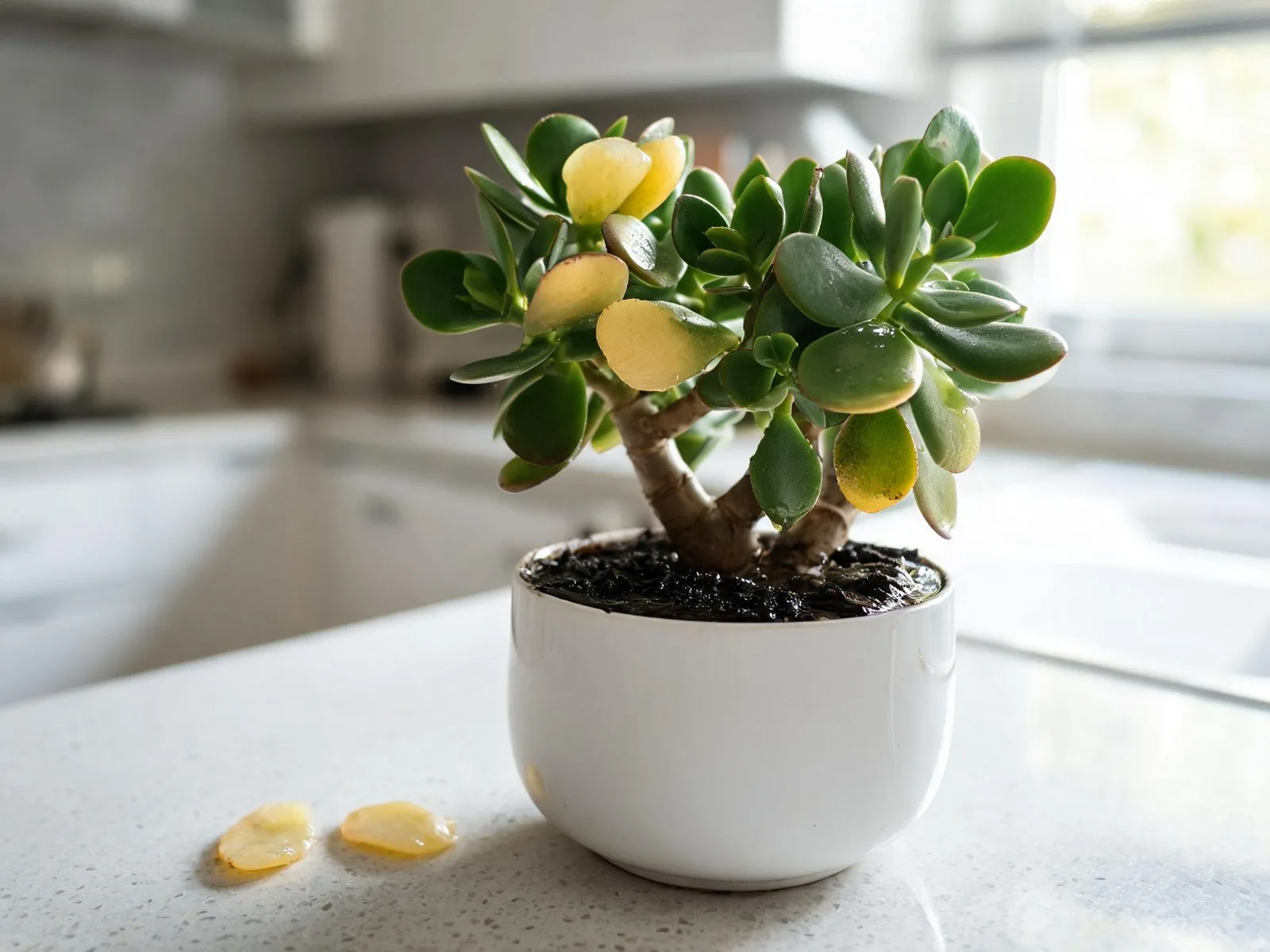
Soft, squishy, yellow or translucent leaves; soil still damp
Overwatering
Stop watering and let the soil dry completely
Black or mushy stem base, sour smell from the pot
Root or stem rot
Unpot, cut away rotten parts, repot in dry gritty mix
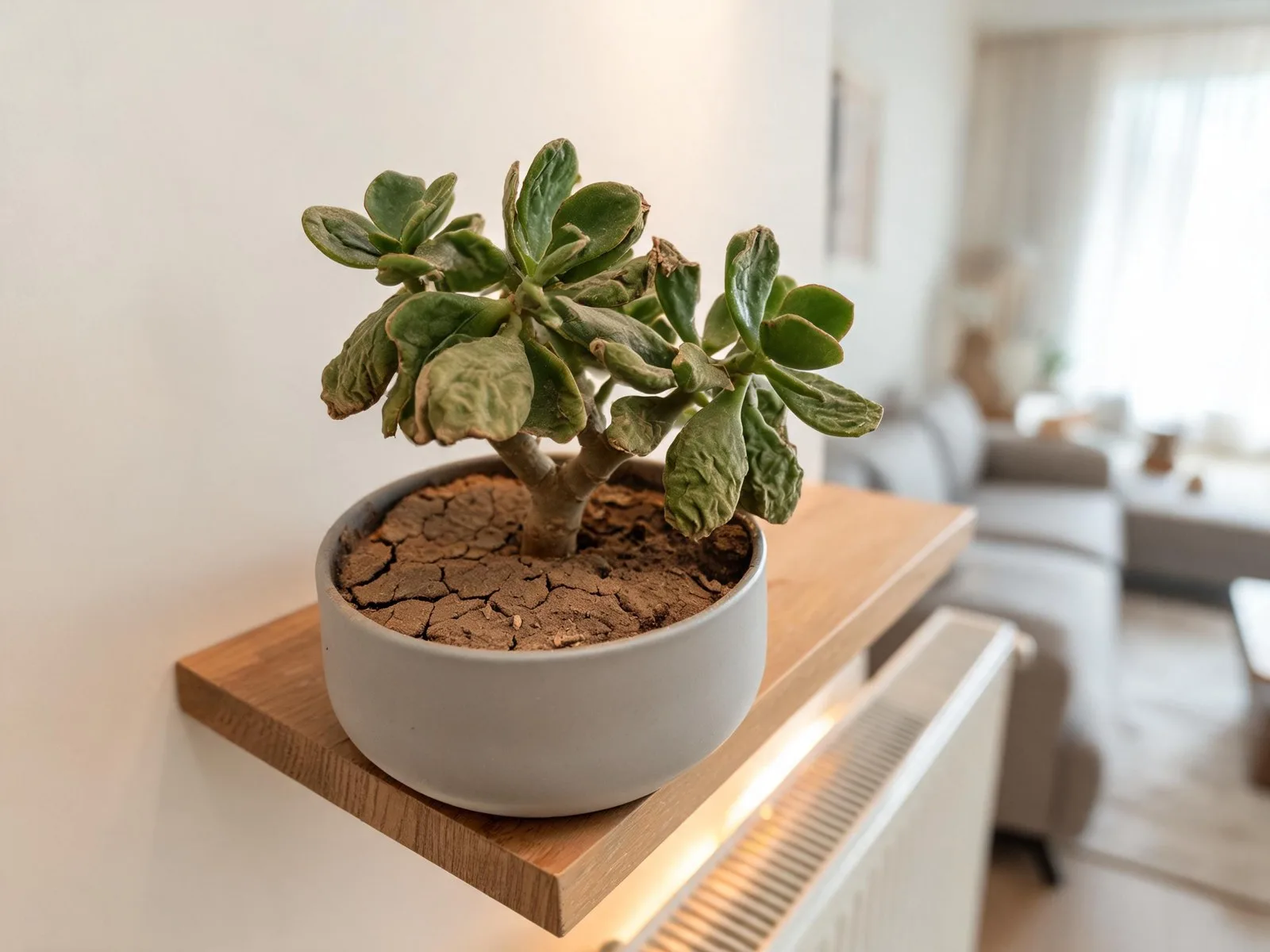
Wrinkled, thin, deflated leaves; soil bone dry and shrinking from the pot
Underwatering
Water deeply until it drains, then let it dry again
Healthy green leaves falling suddenly near a window or door
Cold draft or chilled leaves
Keep it above 50°F (10°C) and away from cold glass
Leaf drop after moving the plant, plus long stretched stems
Low light or a sudden light change
Give it the brightest window you have, or a grow light
White cottony spots in leaf joints or brown bumps on stems
Mealybugs or scale
Isolate it and wipe pests off with rubbing alcohol
Crispy leaves on the side facing a radiator or heat vent
Heat and very dry air
Move it away from the heat source
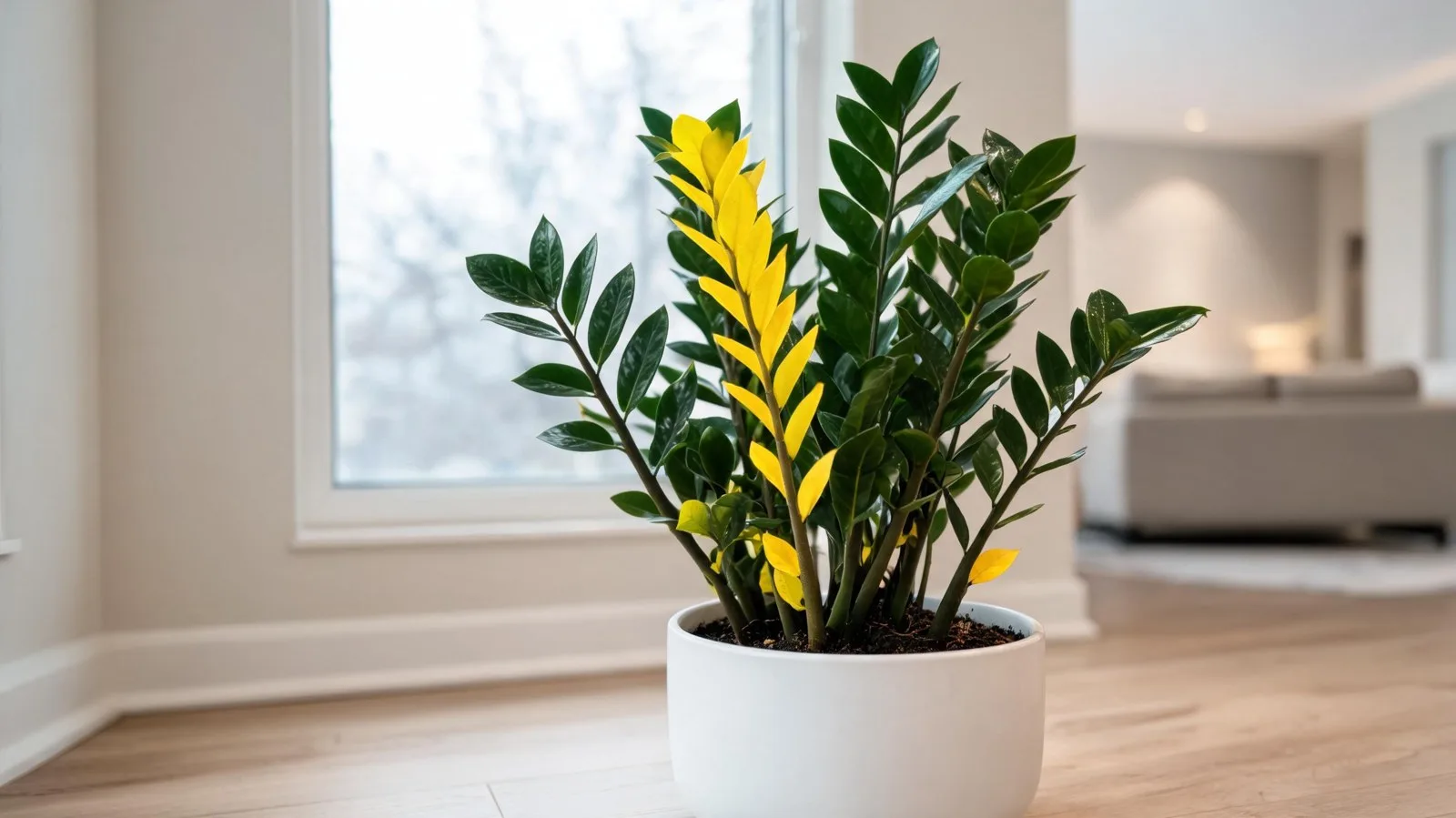
Only a few old bottom leaves yellowing and falling
Normal aging
Nothing; new growth at the tips replaces them
1. Overwatering (the most common cause in winter)
A jade plant (Crassula ovata) is a succulent from dry parts of southern Africa. It stores water in its thick leaves and stems, so its roots need to dry out between waterings. In wet soil the roots lose oxygen, and the plant drops leaves that look puffy, soft, pale or slightly see-through.
Winter makes this far more likely: with short days and weak light the plant barely grows, so a routine that worked in July can leave the pot soggy for weeks in December.
Overwatered jade leaves look plump but soft and pale, and they fall off with the lightest touch.
How to fix it:
Stop watering. Check the soil deep in the pot, not just the top inch. Water again only when it is dry all the way down.
In winter that often means watering every 3–4 weeks or even less in a cool room. In spring and summer, when the plant is growing, it may need water every 1–2 weeks. Let the dry soil, not the calendar, decide.
Use a pot with a drainage hole and empty the saucer or decorative outer pot 15 minutes after watering. A jade sitting in a puddle will keep losing leaves.
If the soil is a heavy, peat-rich mix that stays wet, repot into cactus and succulent mix, or regular potting mix blended roughly half and half with perlite or pumice.
Constantly damp soil also attracts tiny black flies. If you see them, our guide on getting rid of fungus gnats in houseplants explains how to clear them while the soil dries.
2. Root or stem rot
If overwatering goes on long enough, the roots rot, and rot can spread up into the base of the trunk. Signs are a black, brown or mushy stem near the soil, a wobbly plant, a sour or musty smell, and leaves dropping from the bottom up even after you stop watering.
How to fix it:
Unpot the plant and remove the old soil. Healthy roots are firm and pale. Cut off every soft, brown or black root with clean scissors.
If the trunk is soft at the base, cut above the rot until the inside of the stem is firm and green or pale.
Let cuts dry for a few days, then repot in fresh, dry, gritty succulent mix in a pot only slightly larger than the root ball. Wait about a week before watering lightly.
3. Underwatering
Jade plants are drought tolerant, but not drought proof. When the leaves run out of stored water, they wrinkle, flatten and lose their shine. Eventually the plant sheds the oldest ones to save the rest.
Thirsty jade leaves look thin and wrinkled, not soft and swollen.
How to fix it:
Water slowly and thoroughly until water runs out of the drainage hole. If the soil is so dry that water runs straight down the sides, set the pot in a bowl of water for 15–20 minutes, then let it drain fully.
From then on, water when the soil is dry all the way through, and check it a little more often if the plant sits near a heat source.
4. Cold drafts and chilled leaves
Jade plants like normal room temperatures, roughly 60–75°F (15–24°C). They handle cool nights well, but leaves pressed against icy glass, or a plant next to a door that opens to freezing air, can be chilled. Cold-damaged leaves may drop suddenly, or turn dark, soft and watery before falling. Frost kills jade plants outright.
How to fix it:
Keep the plant above 50°F (10°C) at all times, and move it a few inches back so no leaves touch the window on very cold nights.
A chilled plant uses even less water, so water lightly and less often until it recovers.
5. Low light or a sudden change in light
Jade plants need a lot of light to stay compact. Indoors, the best spot is right next to a south- or west-facing window (north-facing in the Southern Hemisphere), where they get at least four hours of bright light, ideally with some direct sun. In a dim room they stretch, grow long gaps between leaves and drop older leaves.
Leaf drop is also common after a big move: a plant brought in from a sunny patio in fall, a new purchase coming home from a bright greenhouse, or a plant moved to a darker corner.
How to fix it:
Move it to your brightest window and give the pot a quarter turn every week or two so it grows evenly.
In dark winters, a full-spectrum LED grow light about 12 inches (30 cm) above the plant for 12–14 hours a day makes a big difference.
Do not water more to "help" a plant that was just moved; extra water in low light leads straight back to cause number one.
If your home is short on light overall, these low-light indoor plants are easier choices for the darker rooms.
6. Pests: mealybugs and scale
Mealybugs look like small blobs of white cotton tucked into leaf joints and where leaves meet stems. Scale looks like small brown or tan bumps stuck to stems and the undersides of leaves. Both suck sap and cause yellowing and leaf drop.
How to fix it:
Dab every visible pest with a cotton swab dipped in 70% isopropyl (rubbing) alcohol. Test on one leaf first and keep the plant out of direct sun until it dries.
Recheck every few days for several weeks, because eggs hatch after the first round.
Be careful with oil sprays and some insecticidal soaps on jade plants, as their leaves can be sensitive to them. Spot-treating with alcohol is the safer first choice.
A plant sitting directly over a radiator, a baseboard heater or a heat vent gets blasted with hot, dry air, which dries the soil and leaves quickly. Too much fertilizer can also cause leaf damage and drop, especially if you feed in winter when the plant is not growing.
How to fix it:
Move the plant at least a few feet from radiators and vents.
Feed only in spring and summer, about once a month at most, with a balanced or cactus fertilizer diluted to half strength. Skip feeding from late fall through winter.
If you have overfed, flush the pot by running plain water through it until it drains freely, then let it dry out fully.
Step-by-step: how to stop a jade plant dropping leaves
Check the leaves. Soft and swollen means too much water. Wrinkled and thin means too little. Firm and green but falling means shock from cold or a move.
Check the soil deep in the pot. Wet a week or more after watering is a red flag in winter.
Check the stem base. Firm is good. Black, soft or wobbly means rot, so go straight to the repotting steps above.
Fix the light. Brightest window, no leaves touching cold glass, or a grow light in a dark room.
Look for pests in leaf joints and under leaves.
Change only what is wrong, then wait. Jade plants respond slowly. Give it two to four weeks before deciding it is not working, and avoid repotting, feeding and moving it all at once.
When to repot, and when it can't be saved
Repot when the soil stays wet for more than a week or two, when there is no drainage hole, or when you find rot. Jade plants like a snug pot, so go only 1–2 inches (2–5 cm) wider than the root ball, and choose a heavy pot such as terracotta, because a tall jade can tip over a light plastic one.
A plant has reached the point where it cannot be saved as a whole when the trunk is soft all the way through and no healthy, firm roots are left. Even then, you can usually keep it going: jade plants root very easily from cuttings. Take a healthy stem tip 3–4 inches (8–10 cm) long, or a few firm leaves, let the cut ends dry for several days, then set them on barely moist succulent mix in bright, indirect light. Roots typically form within a few weeks.
Pet safety
Jade plants are toxic to cats and dogs. Chewing the leaves can cause vomiting, drooling and lethargy. Pick up fallen leaves promptly if you have pets, and contact your vet if you think your pet has eaten some.
Check your plant's problem from a photo
Leaf drop often has more than one cause, such as low light plus wet soil. Take a clear photo of the leaves, stems and soil and run it through our free plant diagnosis tool for a quick second opinion. Not sure your plant is a jade at all? Our plant identifier can tell you what you have.
Frequently asked questions
Is it normal for a jade plant to lose leaves in winter?
A few old bottom leaves, yes. Losing many leaves in winter usually means the soil is staying wet too long in low light, or the plant is getting chilled near a cold window.
Will the leaves grow back on a jade plant?
New leaves do not regrow from the exact spot where an old one fell, but healthy stems keep producing new leaves at their tips and often branch below the bare section in spring and summer. Pruning a bare, leggy stem encourages new branches.
How often should I water a jade plant in winter?
Only when the soil is completely dry all the way down, which in a heated home in winter is often every 3–4 weeks, and less in a cool room.
Can I grow a new plant from the fallen leaves?
Yes, if the leaves are still firm and plump. Let them dry for a few days, then lay them on lightly moist succulent mix in bright, indirect light. Mushy or shriveled leaves will not root.
Why are my jade plant leaves falling off when I touch them?
Leaves that come off at the slightest touch are almost always a sign of too much water. Check the soil and the stem base, let the pot dry out completely, and look for rot if the drop continues.