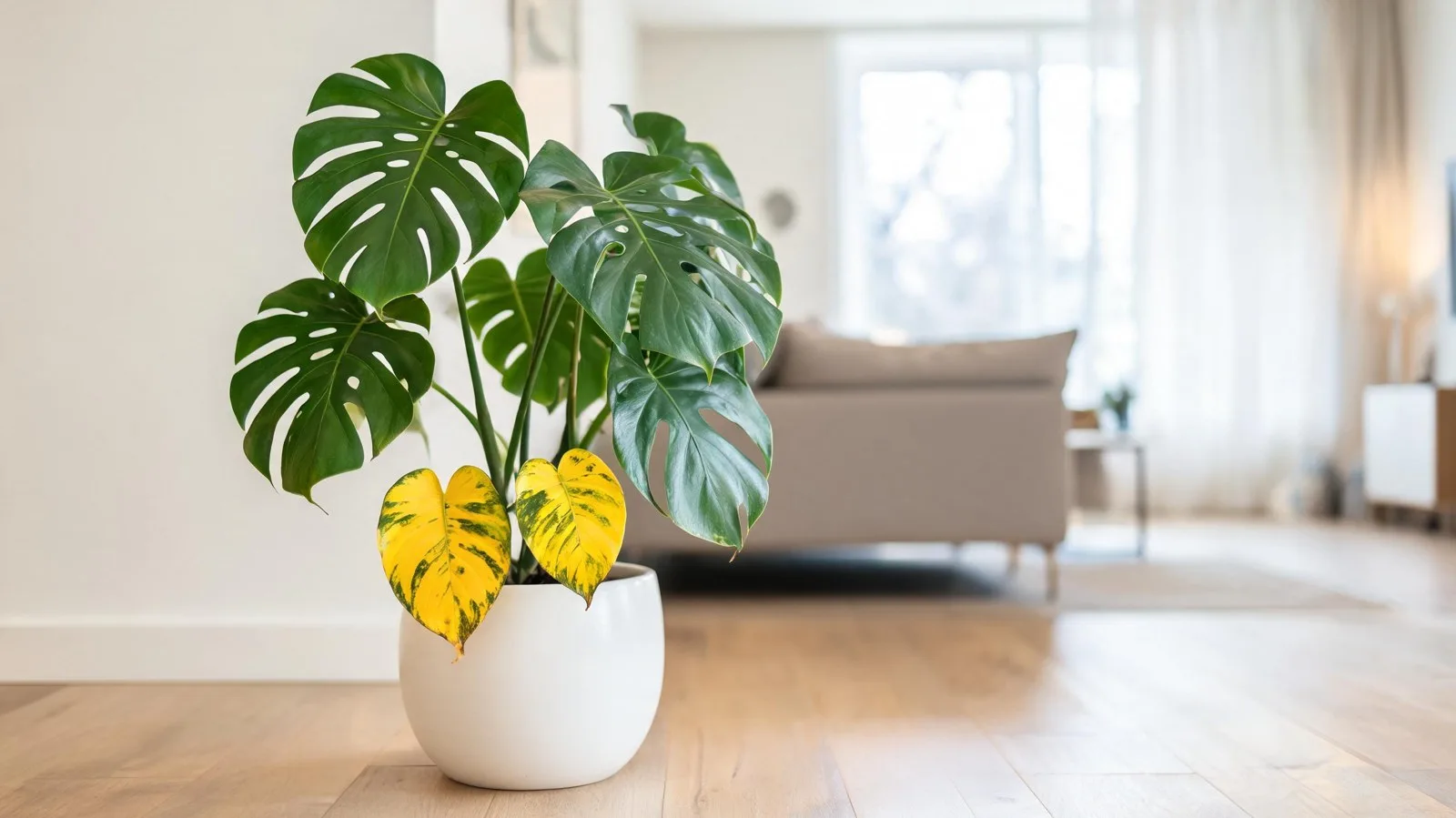
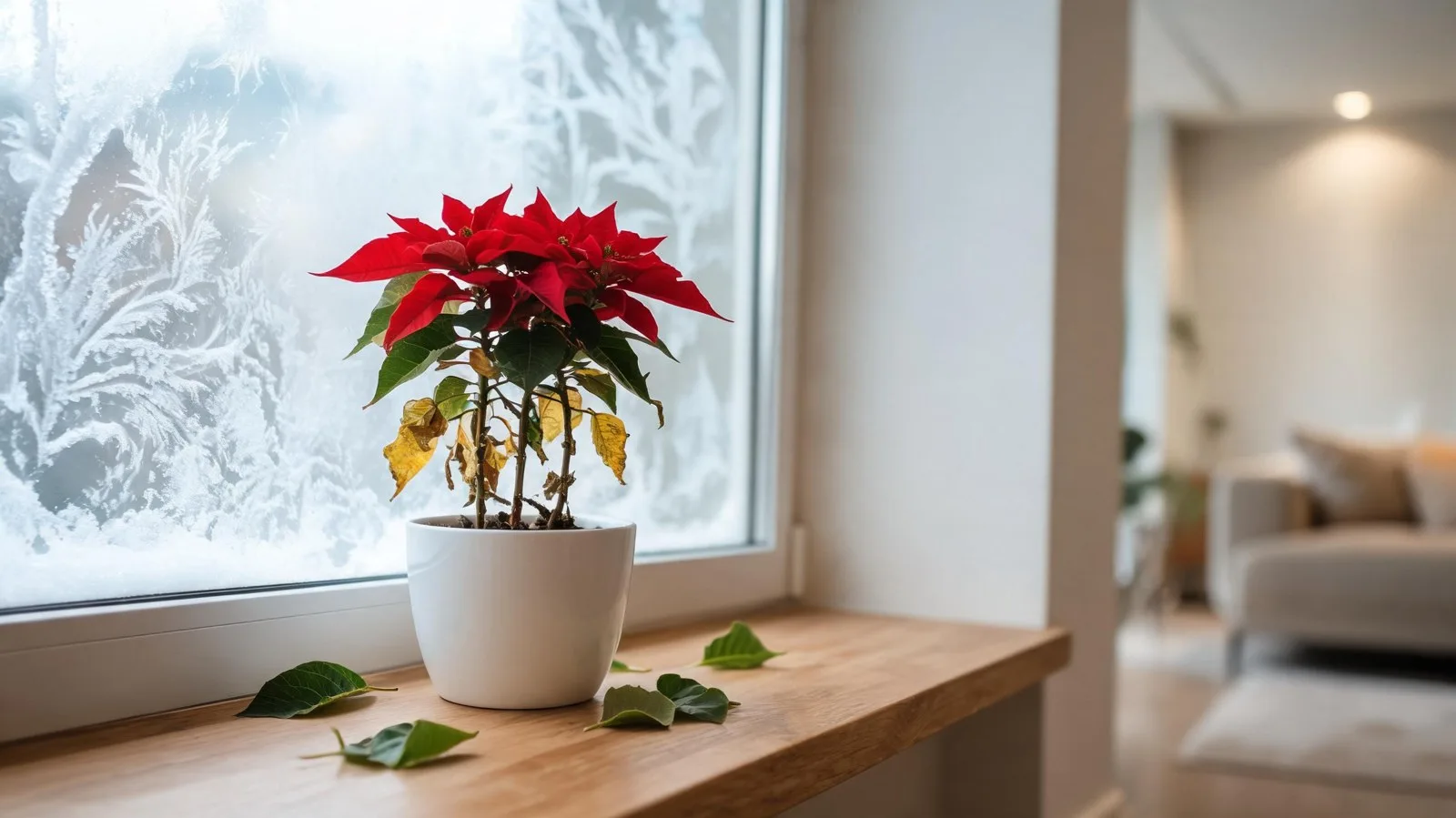
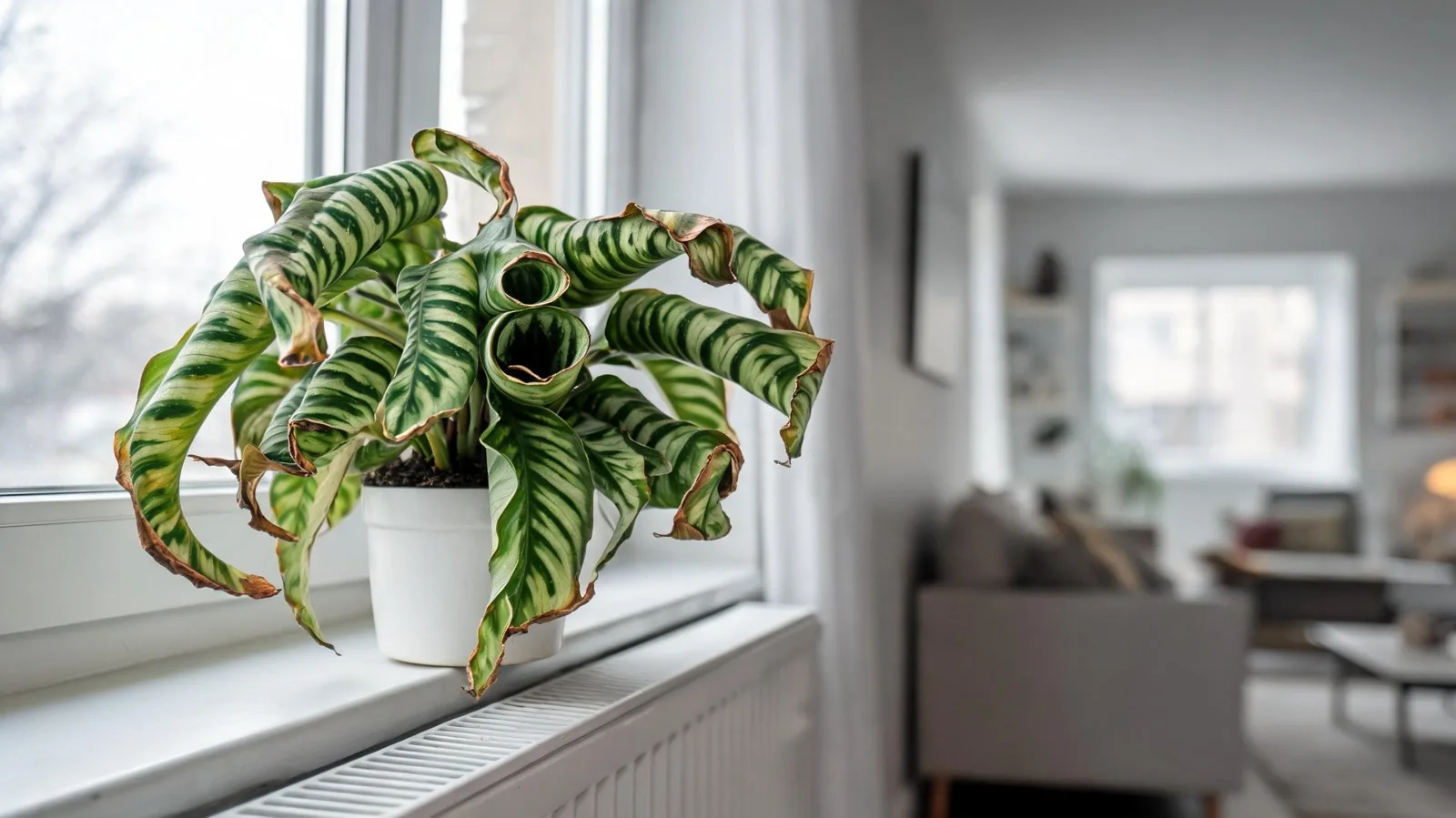
Short answer: monstera leaves usually turn yellow because the soil stays wet for too long, especially in winter when the plant uses far less water. Other common causes are root rot, letting the soil dry out completely, low light, cold drafts, pests, fertilizer problems, and the normal aging of the oldest leaf. Check the soil 2 inches (5 cm) down before you water, give the plant bright indirect light, and keep it above 60°F (15°C).
Not sure which of these fits your plant? Upload a photo to our free plant diagnosis tool and get a likely cause in seconds.
Why monstera leaves turn yellow
A monstera (Monstera deliciosa) sacrifices leaves when its roots cannot take up water and nutrients, when it lacks the light to support all its foliage, or after a sudden stress. Where the yellowing appears and how the soil feels tell you which problem you have. Note that a leaf that is mostly yellow will not turn green again, so the goal is to protect the rest of the plant and its new growth.
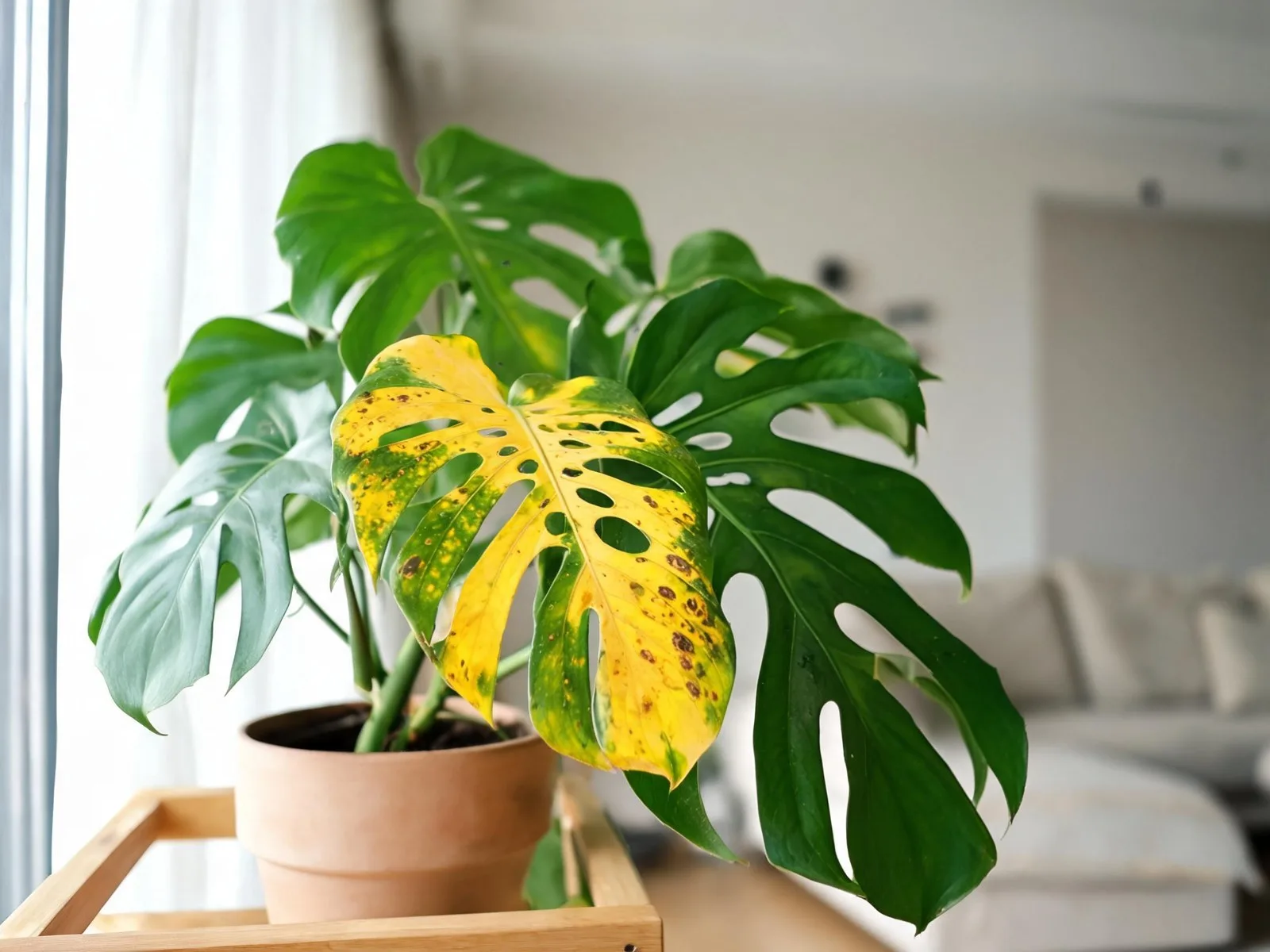
Yellowing that spreads between the veins of a monstera leaf
Symptom → likely cause
What you see
Most likely cause
Lower leaves turn soft yellow, soil feels damp days after watering
Overwatering
Yellow leaves with brown or black patches, musty smell from the soil, plant wilting even though soil is wet
Root rot
Yellow leaves with crispy brown edges, soil pulling away from the pot, drooping that recovers after watering
Underwatering
Pale yellow-green leaves, small new leaves without splits, long leaning stems
Not enough light
Sudden yellowing or dark patches on leaves touching a cold window or near a door
Cold drafts or temperature shock
Fine yellow speckles, dull leaves, tiny webs under the leaves
Spider mites or other pests
Older leaves fade evenly to yellow during spring and summer, or yellowing with brown tips and white crust on the soil
Too little or too much fertilizer
Only the oldest, lowest leaf turns yellow while new growth looks healthy
Normal leaf aging
1. Overwatering (the most common cause)
Monstera roots need air as well as water. In soggy potting mix they stop working properly and the lower leaves yellow first. This is especially common from November to February, when short days slow growth and a summer watering routine suddenly becomes too much.
How to fix it:
Push a finger or a wooden skewer 2 inches (5 cm) into the soil. Only water when that depth feels dry.
When you do water, water thoroughly until it runs out of the drainage hole, then empty the saucer or cachepot after 15–20 minutes.
Make sure the pot has a drainage hole. A decorative pot without one traps water at the bottom.
If the soil stays wet for a long time and smells sour, you may also see white mold on the surface; our guide on how to treat white fungus in plant soil covers that problem.
2. Root rot
Root rot is overwatering that has gone on too long. Rotting roots cannot carry water, so the plant yellows and wilts even in wet soil, often with brown or black leaf patches and a musty smell.
How to fix it: slide the plant out of its pot and look at the roots. Healthy monstera roots are firm and white to light tan. Rotten roots are dark brown or black, mushy, and may pull apart when you touch them. If you find rot, follow the repotting steps further down this guide.
3. Underwatering
Bone-dry soil also causes yellow leaves, usually with crispy brown edges, drooping, and soil that shrinks away from the pot. Central heating dries soil faster than many people expect, especially near a radiator or vent.
How to fix it: if the soil is bone dry, water slowly until it drains, wait 10 minutes, then water again so the dry mix actually absorbs moisture. Very compacted soil can be soaked by standing the pot in a sink of water for 20–30 minutes, then draining it well. After that, go back to checking the top 2 inches (5 cm) before each watering.
4. Not enough light (a big winter problem)
Monsteras grow best in bright, indirect light. In a dim room the plant cannot support all its leaves, so older ones yellow and drop, new leaves come out smaller without splits, and stems lean toward the window. Short winter days make this worse.
How to fix it:
Move the plant within a few feet of a bright window. An east-facing window, or a spot set back from a south- or west-facing window, usually works well.
Avoid strong direct afternoon sun through glass in summer, which can scorch the leaves.
If your home is dark in winter, a full-spectrum LED grow light for around 10–12 hours a day makes a real difference. Keep it at the distance the manufacturer recommends.
Monsteras are tropical and happiest at about 65–85°F (18–29°C); below 60°F (15°C) they get stressed. Leaves touching cold window glass, a spot by an outside door, or a cold car ride home can cause sudden yellowing or dark damaged patches. Hot, dry air from a heating vent stresses them too.
How to fix it: keep leaves from touching cold glass, move the plant away from doors and heating or AC vents, and keep it in a room that stays above 60°F (15°C) at night. Damaged leaves will not recover, but new growth will be healthy once the plant is in a stable spot. Cold-related leaf loss is common in other houseplants too; see why a fiddle leaf fig drops its leaves.
6. Spider mites and other pests
Dry winter air suits spider mites. They feed under the leaves, leaving tiny yellow speckles that merge into dull, yellowing leaves, often with fine webbing where leaf meets stem. Thrips and mealybugs cause similar damage.
How to fix it:
Isolate the plant from your other houseplants.
Rinse the leaves, especially the undersides, in the shower with lukewarm water, or wipe each leaf with a damp cloth.
Spray all leaf surfaces with insecticidal soap or a neem oil product, following the label.
Repeat every 5–7 days for several weeks, because new pests keep hatching from eggs.
7. Fertilizer problems
A monstera left unfed for a long time in old potting mix can run low on nitrogen, so older leaves fade evenly to pale yellow. Too much fertilizer causes salt build-up instead: yellowing with brown tips and a white crust on the soil or pot rim.
How to fix it: during spring and summer, feed with a balanced liquid houseplant fertilizer diluted to half strength about once a month. Stop feeding in late fall and winter, when the plant is barely growing. If you suspect too much fertilizer, flush the pot by slowly running plenty of room-temperature water through the soil and letting it drain completely.
8. Normal aging and repotting stress
Every monstera sheds its oldest leaves now and then. If only one lower leaf yellows while new growth looks healthy, there is nothing to worry about. A leaf or two may also yellow in the weeks after repotting or a move.
How to fix it: once a leaf is mostly yellow, cut it off at the base of its stem with clean, sharp scissors. Keep care steady and avoid moving the plant around while it settles.
Step-by-step: how to save a monstera with yellow leaves
Check the soil. Feel 2 inches (5 cm) down. Wet, dry or somewhere in between tells you most of what you need to know.
Match the pattern to the table above, and check under the leaves with a flashlight for webbing or speckles.
Fix the position. Bright indirect light, above 60°F (15°C), away from cold glass, doors and vents.
Adjust watering. Water thoroughly only when the top 2 inches are dry, and never leave the pot standing in water.
Check the roots if the soil stays wet or the plant wilts in damp soil.
Remove mostly yellow leaves so the plant can put its energy into new growth.
Be patient. Judge your fix by the next new leaf, which can take several weeks to appear in winter.
When to repot, and when it can't be saved
Repot straight away if you find rotten roots. Otherwise, wait until spring, when a monstera recovers from repotting much faster.
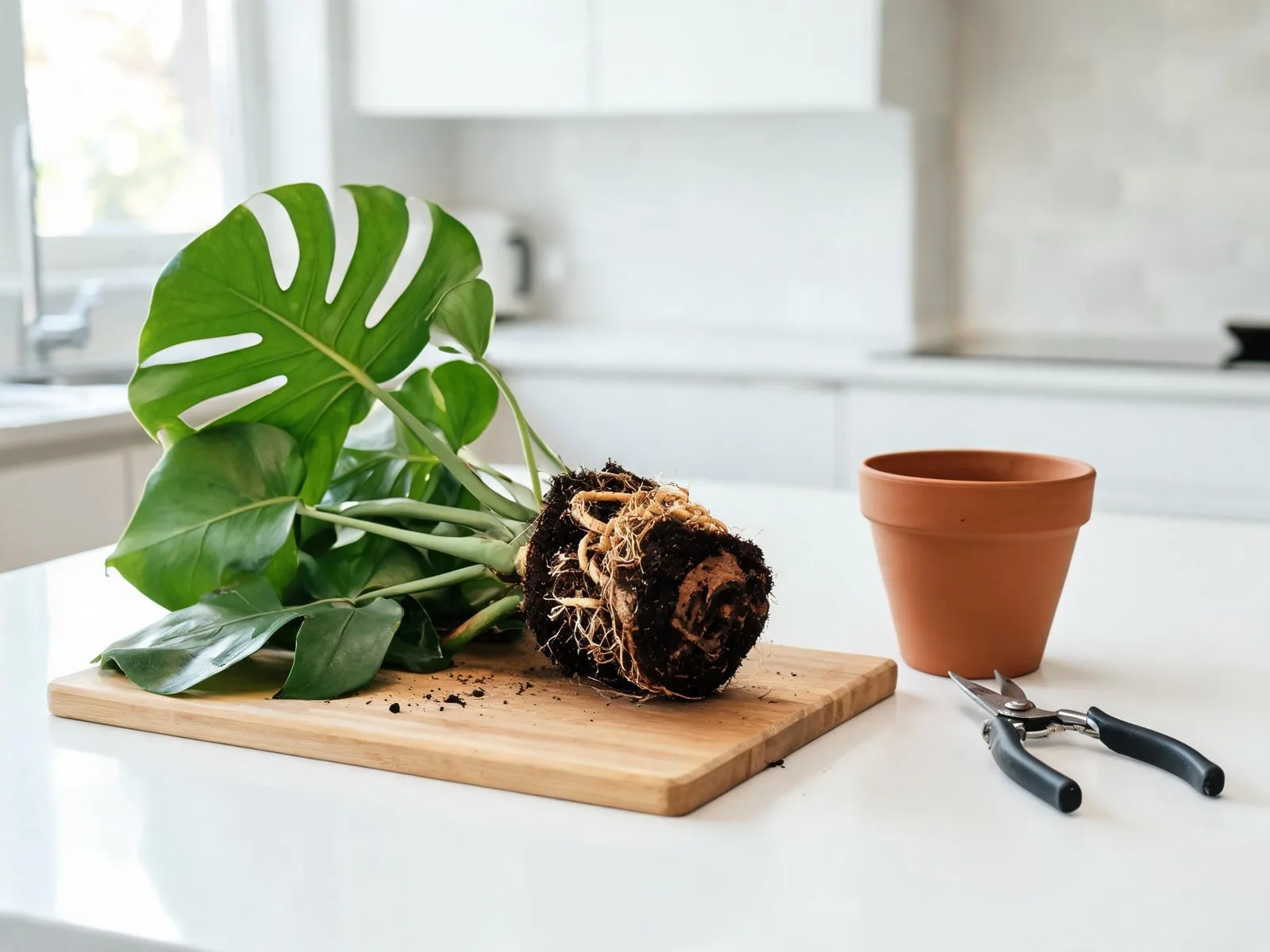
Take the plant out of its pot to check the roots before repotting
Remove the plant from the pot and gently loosen the old soil from the roots.
Cut away every dark, mushy root with clean scissors, wiping the blades with rubbing alcohol between cuts.
Choose a pot with a drainage hole, only 1–2 inches (2–5 cm) wider than the healthy root ball. An oversized pot holds extra wet soil.
Use a fresh, chunky, well-draining mix, for example regular potting mix with added perlite and orchid bark.
Water lightly, place the plant in bright indirect light, and wait until the top 2 inches are dry before watering again.
A monstera can usually be saved if some firm roots and at least one healthy stem remain. If every root is rotten and the stem is soft at the soil line, the plant itself will not recover, but you can still propagate it: cut a healthy stem section with at least one node (the bump where a leaf and aerial root grow) and root it in water or moist sphagnum moss.
Is your monstera safe for pets?
No. Monstera contains calcium oxalate crystals and is toxic to cats and dogs. Chewing the leaves can cause mouth irritation, drooling and vomiting. Keep the plant and any fallen or trimmed leaves out of reach of pets, and contact your vet if your pet chews it.
Check your plant's problem from a photo
Yellow leaves can have more than one cause at once, such as low light plus overwatering in winter. Take a clear photo of the affected leaf and the whole plant and run it through our free AI plant diagnosis tool. Not sure it is a Monstera deliciosa and not a split-leaf philodendron or a Monstera adansonii? Use the free plant identifier first so you follow the right care advice.
Frequently asked questions
Should I cut yellow leaves off my monstera?
Yes, once a leaf is mostly yellow. It will not turn green again, and removing it keeps the plant tidy. Cut at the base of the leaf stem with clean scissors. A leaf that is only slightly yellow can be left until it fades fully.
Can a yellow monstera leaf turn green again?
No. Once a leaf has lost its chlorophyll, it does not regain it. Fixing the cause protects the remaining green leaves and the new growth.
How often should I water a monstera in winter?
There is no fixed schedule, because it depends on light, pot size, temperature and the potting mix. Check the soil and water only when the top 2 inches (5 cm) are dry. In most homes that means watering noticeably less often in winter than in summer.
Does a monstera need a humidifier?
Monsteras cope with normal household humidity, but very dry heated air in winter can cause brown crispy edges and makes spider mites more likely. A humidifier nearby or grouping plants together helps; misting has only a brief effect.
Can too much sun turn monstera leaves yellow?
Yes. Strong direct sun, especially hot afternoon sun through glass, can bleach leaves to pale yellow and leave dry brown scorched patches. Move the plant back from the window or filter the light with a sheer curtain.