Short answer: plants grow faster when nothing is holding them back. In most homes the biggest limits are light and roots — so give plants more light, water only when the soil is dry, use a loose, airy soil in a pot with drainage, feed gently in the growing season, and keep pests away. There is no magic tonic: fixing the weakest condition gives the biggest jump in growth. If a plant has stopped growing and looks unwell, check it with our free plant diagnosis tool first.
1. Give more light
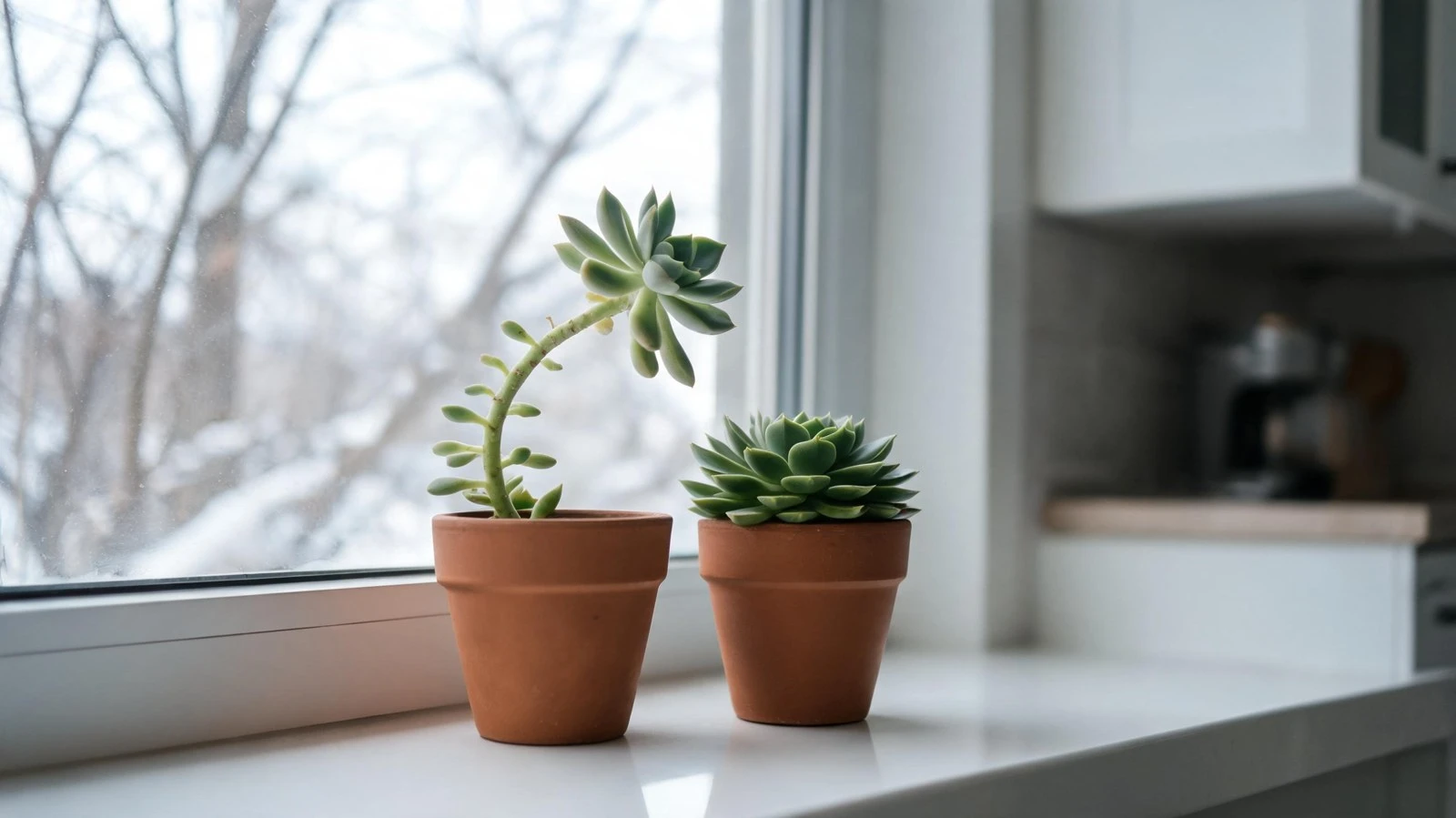
Light is the plant's food factory, and indoors it is almost always in short supply. Move plants closer to a bright window, put vegetables and flowers where they get 5–6 hours of direct sun, and clean dust off leaves. Increase sun exposure gradually to avoid scorching. Stretched stems and small leaves mean the plant wants more light.
2. Water correctly, not more
Overwatering slows growth more than underwatering, because suffocated roots cannot absorb anything. Water deeply when the top 2–3 cm of soil is dry, and let excess drain away. See our summer watering schedule for typical frequencies.
3. Use loose, living soil
Roots grow fastest in soil that holds moisture but also has air. A good general mix is garden soil, cocopeat and compost in roughly equal parts, with some perlite or sand. Hard, compact soil from years ago slows everything down — refresh it.
4. Pick the right pot size
A root-bound plant stops growing. When roots fill the pot, move up one size (2–5 cm wider). A pot that is much too big slows growth too, because the extra soil stays wet. Our guide to choosing pots and repotting steps explain how.
5. Feed lightly and regularly
Feed during the growing season (roughly March to October) with a mild organic fertilizer like vermicompost every 3–4 weeks. Leafy plants benefit from extra nitrogen; flowering and fruiting plants need more potassium and phosphorus. Overfeeding burns roots and can stop growth. Details in our organic fertilizer guide.
6. Prune and pinch
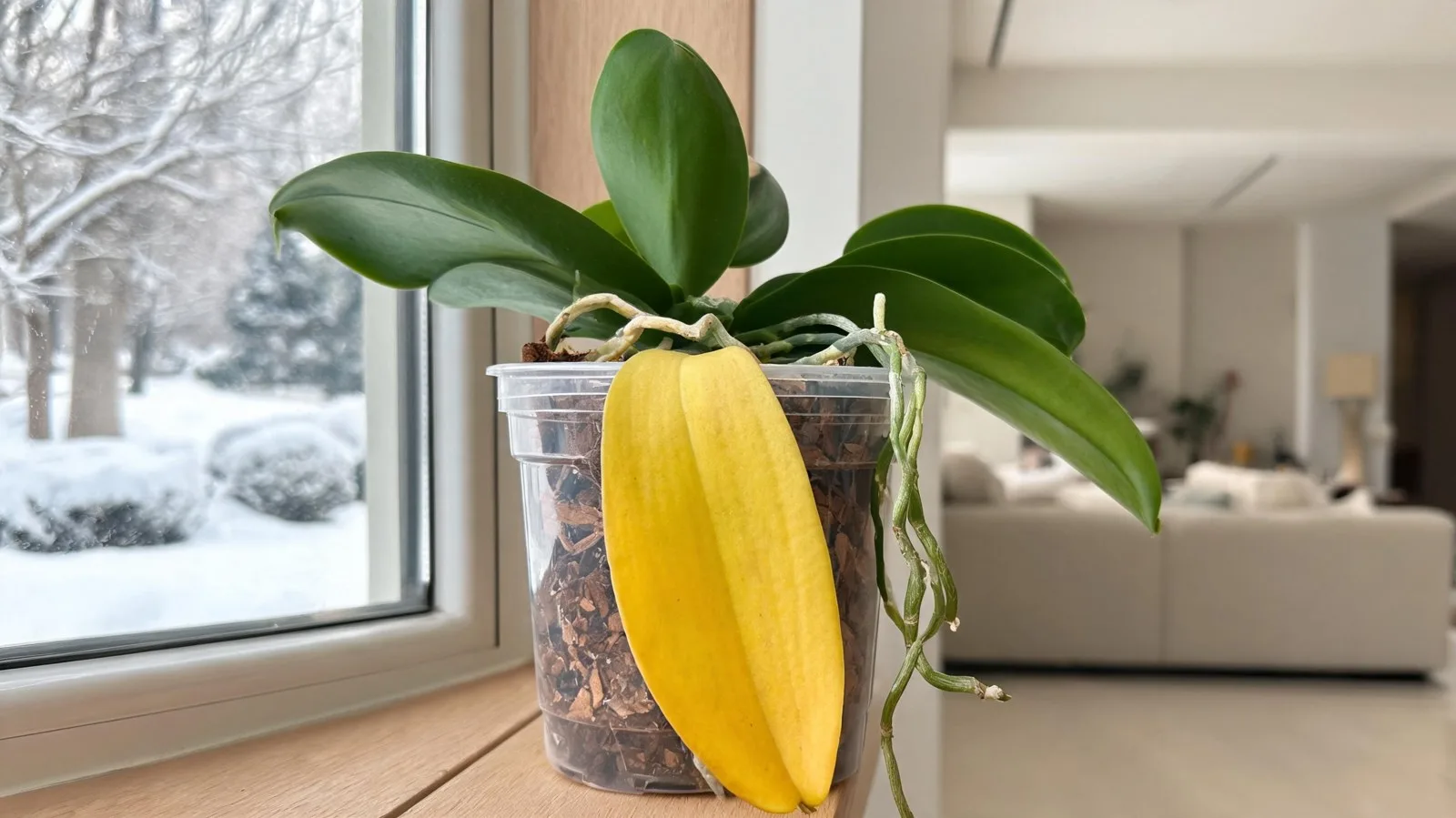
Pinching the growing tips of tulsi, mint, basil, coleus and many flowering plants makes them branch and grow bushier. Remove dead and yellow leaves so the plant does not waste energy. For vines like money plant, cutting long bare stems just above a node triggers new shoots.
7. Keep pests and disease away
Aphids, mealybugs and spider mites quietly drain plants and slow growth. Check under leaves weekly and treat early with water sprays and diluted neem oil (about 5 ml per litre with a few drops of liquid soap) in the evening. See common plant diseases and treatments.
8. Mulch the soil
A thin layer of dry leaves, straw or cocopeat on top keeps soil moisture steady, keeps roots cooler in summer, and feeds soil life as it breaks down.
9. Work with the seasons
Most plants grow fastest in spring and the monsoon, slow down in peak summer heat, and nearly stop in winter. Repot, prune and start feeding in February–April. Slower growth in winter is normal — see winter plant care.
10. Grow the right plant for the spot
A sun-loving plant in a dim room will never grow fast, whatever you do. Match plants to your light: low-light indoor plants for dark rooms, heat-tolerant plants for sunny terraces. If you do not know a plant's name or needs, check it with our plant identifier.
What usually slows growth: quick check
| Sign | What is holding it back |
|---|---|
| Long thin stems, small pale leaves | Not enough light |
| Yellow lower leaves, soil always wet | Overwatering |
| Roots out of the drainage hole, water runs straight through | Pot too small |
| Evenly pale old leaves, no new growth in summer | Low nutrients |
| Sticky, speckled or curled leaves | Pests |
| No growth in December–January | Normal winter slowdown |
Myths to skip
- Sugar water: does not feed plants and can grow mould and attract ants.
- Milk on soil: sours and smells; a diluted milk spray has a small use against powdery mildew, not for growth.
- Daily watering for faster growth: usually causes root rot.
- Lots of fertilizer at once: burns roots and slows growth.
Check your plant's problem from a photo
If a plant is not growing and also shows spots, yellowing or curling, something specific may be wrong. Upload a photo to our AI plant diagnosis tool to find out.
Frequently asked questions
What is the fastest natural way to boost plant growth?
More light, correct watering and a dose of vermicompost in the growing season. Light usually makes the biggest difference indoors.
Does talking to plants make them grow faster?
There is no strong evidence. Spending time near your plants does help you notice problems early, though.
Why has my plant stopped growing?
Low light, a root-bound pot, old soil, pests, or winter dormancy are the most common reasons.
Is Epsom salt good for plant growth?
Only if the plant is short of magnesium. It is not a general growth booster and too much harms soil.
How long until I see faster growth after changes?
Usually 2–4 weeks in the growing season. Watch new leaves rather than old ones.